
Contact Us

Bouddha - 06, Phulbari, Teenchuli Road Kathmandu 44600, Nepal

Email: atishahotel@gmail.com

Call for Reservation

Contact: +977-1-4914232

Art and Culture: Exploring the Museums and Galleries in Kathmandu

Kathmandu is not just a city you visit. It is a city you come to understand slowly.

When you walk through its narrow streets, hear temple bells in the distance, and see incense smoke rising in the morning air, you realize this place has many stories to tell. Some stories are told in temples and courtyards. Others are preserved inside museums and galleries in Kathmandu city.

For travelers who want to understand Nepal beyond trekking and the mountains, exploring Kathmandu’s museums and art galleries is one of the best ways to do so. These places help you understand the country’s royal past, religious traditions, artistic skills, and modern creative movement.

If you are staying at Atisha Hotel in Boudha, you are in the perfect place to begin exploring Kathmandu’s art and culture. From royal palaces to modern art galleries, everything is within reach. And with the hotel’s comfortable EV van service, you can explore the city in a smooth, quiet, and eco-friendly way.

This guide will help you discover the best museums and galleries in Kathmandu while enjoying a relaxed and meaningful stay at Atisha Hotel.

Why Visit Museums and Galleries in Kathmandu?

Many travelers come to Nepal for the mountains and trekking. But Kathmandu Valley is also rich in history, art, and culture. Kathmandu Valley has a history of more than 2,000 years. Different dynasties ruled here. Hindu and Buddhist traditions grew side by side. Artists, artisans, and builders created temples, statues, and paintings that are still admired today.

But when you walk around the city without background knowledge, you may miss the deeper meaning.

Visiting museums and galleries helps you understand:

  • Nepal’s royal history
  • Traditional Nepali art and sculpture
  • Buddhist and Hindu culture
  • Contemporary art by local artists
  • The story of how Nepal became a republic

Museums in Kathmandu are not too big or overwhelming. You can explore them at your own pace. They are simple, interesting, and full of character.

Explore Nepal’s Royal History

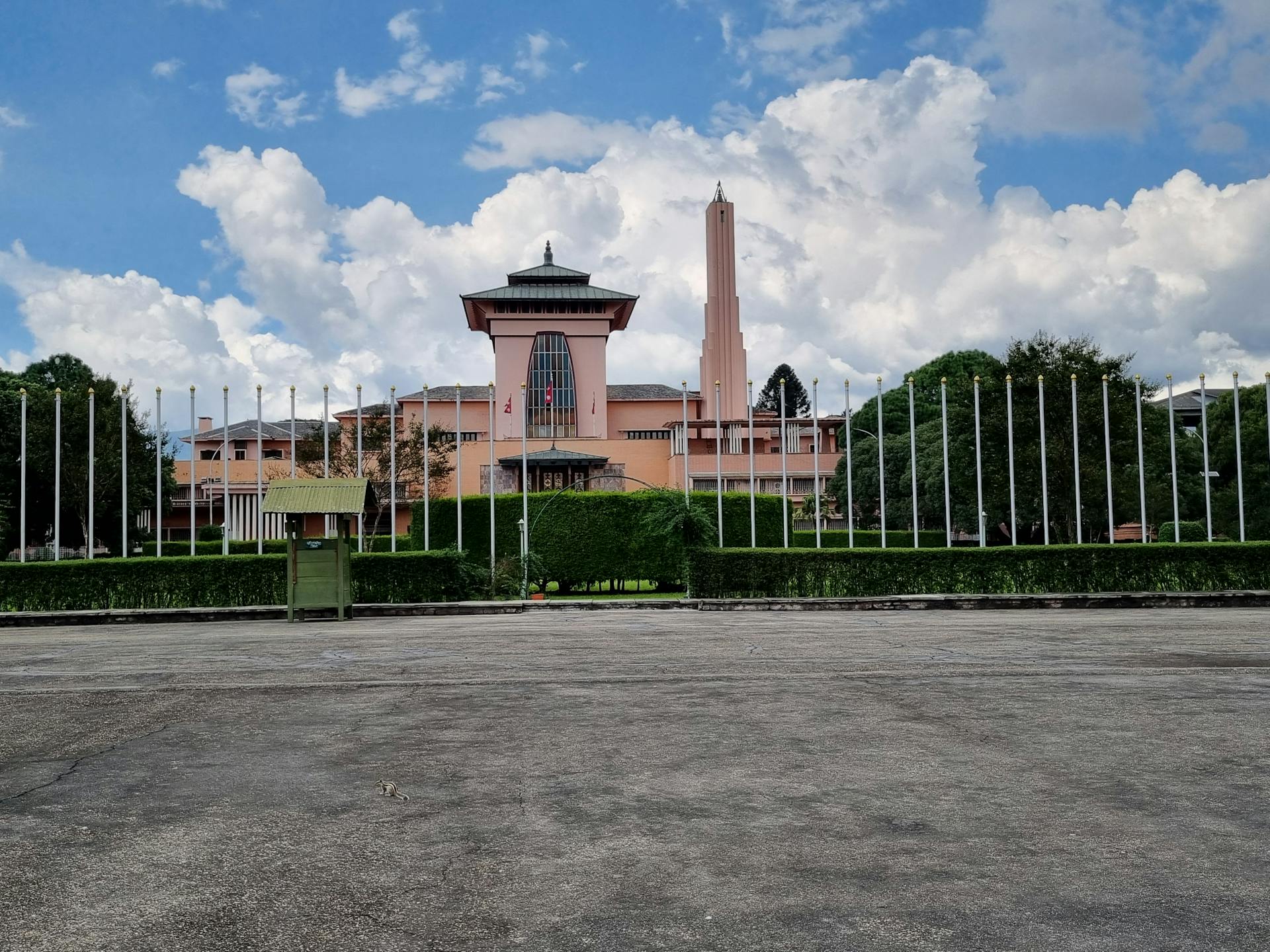
Narayanhiti Palace Museum

Narayanhiti Palace was once the home of Nepal’s Royal Family. After Nepal became a republic in 2008, the palace was turned into a museum and opened to the public.

When you enter the palace, you will see large halls, royal chairs, meeting rooms, and private spaces that the royal family used. Everything is kept almost the same as it was before Nepal became a republic.

Walking through the palace feels quiet and powerful. It reflects both Nepali and modern architectural styles from the 1960s and 70s. You begin to understand an important part of Nepal’s modern history. Each room has a simple description that explains its purpose. Walking through these rooms helps you understand Nepal’s political transition from monarchy to republic.

From Atisha Hotel, you can easily reach Narayanhiti Palace Museum using the hotel’s EV van service. It saves time and makes your visit more comfortable, especially if it is your first time in Kathmandu.

Hanuman Dhoka Durbar Square

Hanuman Dhoka Durbar Square is located in the center of old Kathmandu. This historic complex was the royal palace during the Malla and Shah periods.

Unlike Narayanhiti, which feels modern in comparison, Hanuman Dhoka shows traditional Newari architecture. The wooden carvings, courtyards, and temples reflect centuries of artistic skill.

What makes this place special is the detail. The windows are carefully carved with mythological patterns. Stone statues guard temple entrances. Every courtyard has a story.

Here you will see:

  • Old royal courtyards
  • Wooden windows with detailed carvings
  • Statues of Hindu gods
  • Small museums inside the palace where you can witness Royal clothing and jewelry, Historical photographs, Traditional weapons, and Cultural artifacts.

The buildings here are centuries old, and the area is also part of the UNESCO World Heritage Site. Even after the earthquake damage and restoration, the area still feels alive and historic.

Take your time when walking here. Notice the small details. Every door, window, and stone carving tells a story.

National Museum of Nepal

The National Museum of Nepal, located in Chhauni, is one of the oldest museums in the country. It gives a broader picture of Nepal’s history and artistic development.

The museum is divided into different sections, including:

  • Historical weapons and military items
  • Buddhist and Hindu statues
  • Ancient coins
  • Traditional paintings
  • Archaeological findings

Here, you can clearly see how Nepali art evolved.

  • The stone sculptures show a strong religious influence.
  • The metal statues highlight detailed craftsmanship.
  • The paintings reflect spiritual themes and storytelling traditions.

A Unique Museum Experience

Aircraft Museum Kathmandu

Kathmandu also offers something unexpected. The Aircraft Museum is one of the most unusual museums in Kathmandu. It is inside a real airplane.

Since Nepal is a mountainous country, air travel has played an important role in connecting remote areas. This aircraft museum tells the story of aviation in Nepal.

Inside the aircraft, you will find:

  • Aviation history displays
  • Information about early pilots
  • Aircraft parts and models
  • Photos of important moments in Nepal’s aviation story

It is an interesting change from traditional museums and offers a different perspective on Nepal’s development.

Discover Art Galleries in Kathmandu

Kathmandu is not only about ancient statues and royal history. There is also a growing community of modern artists who are sharing new ideas.

Visiting art galleries in Kathmandu allows you to see how today’s artists express social themes, personal stories, and cultural identity.

If you enjoy creativity, check out these galleries:

Museum of Nepali Art (MoNA)

The Museum of Nepali Art (MoNA) is located in Thamel and showcases both traditional and modern Nepali art.

Traditional works may include:

  • Paubha paintings
  • Religious scroll art
  • Classical sculptures

Modern exhibitions often include:

  • Abstract paintings
  • Mixed media art
  • Photography
  • Experimental styles

MoNA is neat, well-structured, and simple to navigate. Travelers looking for a fair assessment of Nepali art history and modern innovation will find it a worthwhile destination.

Siddhartha Art Gallery

This gallery has been supporting Nepali artists for many years.

The exhibitions change regularly, so each visit feels fresh. You may see paintings, photography, or mixed-media art.

The gallery often highlights:

  • Young Nepali artists
  • Social themes
  • Cultural identity
  • Modern techniques

If you want to see how Nepal’s art scene is evolving, this gallery offers real insight.

Gallery Swotha

Gallery Swotha is located in Patan, inside a beautifully restored traditional building. The setting itself is peaceful and inspiring, with brick walls and wooden beams.

The mix of old architecture and modern art creates a unique atmosphere. After visiting the gallery, you can walk around Patan’s narrow streets and enjoy the artistic environment of the city.

Start Your Cultural Day at Boudha

One of the best parts about staying at Atisha Hotel is being close to:

Boudhanath Stupa

Boudhanath Stupa is one of the largest Buddhist stupas in the world. It is also a UNESCO World Heritage Site.

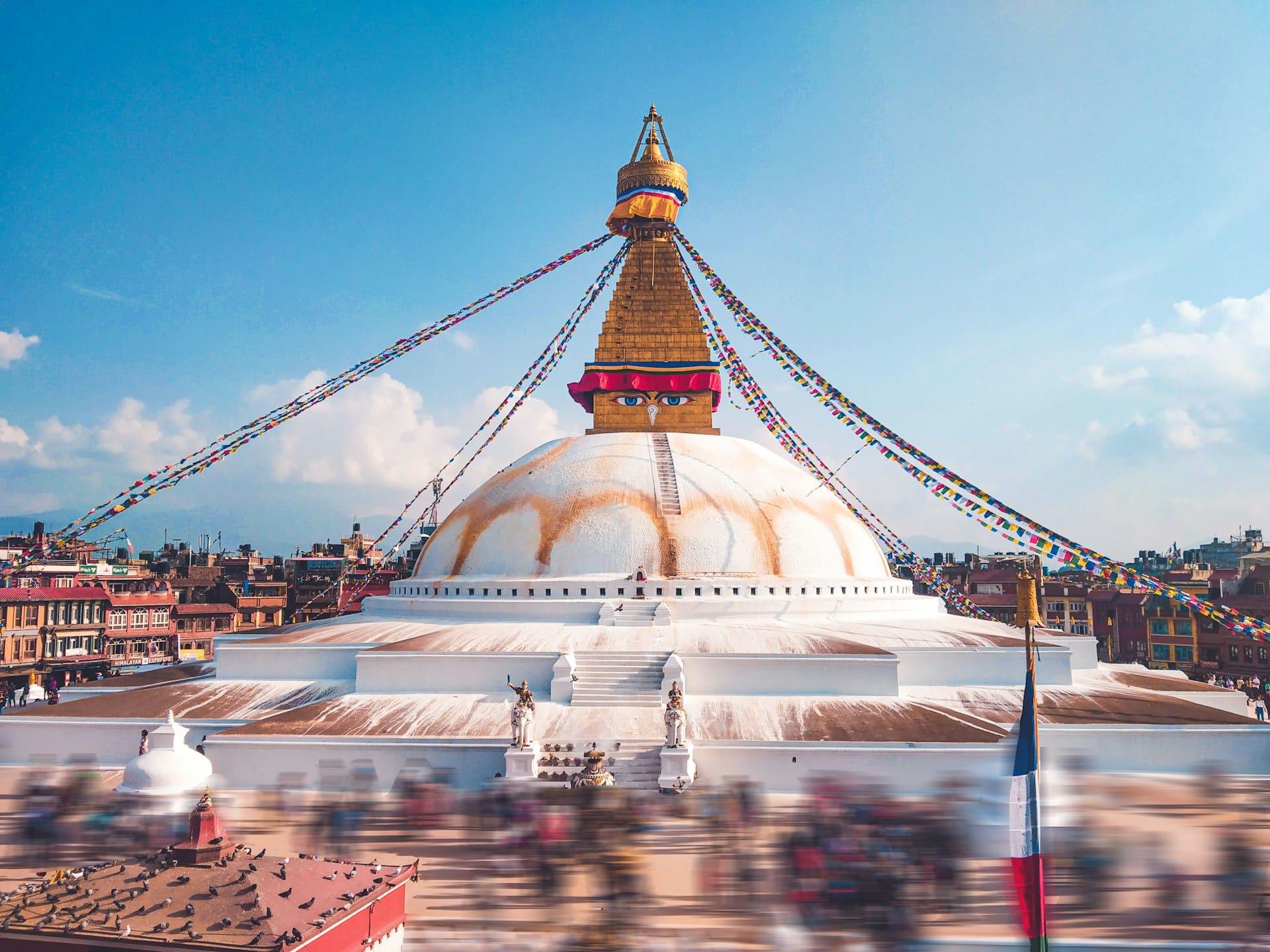
Even though it is not a museum, it is a living piece of art and culture. The white dome, colorful prayer flags, spinning prayer wheels, and peaceful atmosphere make it special.

In the morning, you can walk around the stupa with locals and monks. Many monasteries in the area display traditional Buddhist art, including thangka paintings and sacred murals.

Walking around the stupa in the morning or evening gives you a deep sense of connection to Nepal’s spiritual side before exploring the city’s formal museums.

Easy and Eco-Friendly Travel with Atisha Hotel’s EV Van Service

Kathmandu’s traffic can feel overwhelming, especially for first-time travelers. Roads are busy, and navigating between heritage sites can take time.

Don’t worry! Even the residents here get frustrated sometimes, but Atisha Hotel has you covered with an EV van service to make your cultural tours simple and stress-free.

Why choose the EV van?

  • Comfortable seating
  • Quiet electric engine
  • Eco-friendly and low pollution
  • Flexible timing
  • Direct pick-up and drop-off

With this service, you may visit several museums and art galleries in a single day without having to bother about directions or cabs. Additionally, it promotes responsible tourism by lowering urban pollution.

This is a purposeful travel option for those who are concerned about sustainability.

Tips for Visiting Museums in Kathmandu

  • Most museums open around 10:00 AM
  • Some close on Tuesdays or public holidays
  • Carry small cash for entry tickets
  • Dress respectfully
  • Ask before taking photos

Try to visit earlier in the day when it is less crowded.

Of course, you can spread these visits over two or three days for a slower experience, during which you can visit all the museums and galleries mentioned above.

Why Stay at Atisha Hotel for Your Cultural Trip?

When you spend your days exploring art galleries and museums in Kathmandu, it feels good to return to a peaceful place. And staying at Atisha Hotel gives you more than just accommodation.

When you are in Atisha Hotel, you are definitely:

  • Within walking distance of Boudhanath Stupa
  • Close to monasteries and local cafés
  • Connected to major museums by EV van
  • Surrounded by a peaceful atmosphere

After a full day of exploring art galleries, museums, and heritage sites, returning to a calm environment completes your experience.

Experience the Real Culture of Kathmandu

Art and culture in Kathmandu are not only inside museums. They can be found in everyday life, religious activities, festivals, and architecture. However, galleries and museums aid in your comprehension of the more complex narrative that lies behind what you see.

From royal history at Narayanhiti Palace Museum to contemporary creativity at local art galleries, Kathmandu offers something meaningful for every traveler.

When you stay at Atisha Hotel, you are not just booking a room. You are choosing a comfortable base for exploring Nepal’s cultural heart.

If you are planning a visit to Kathmandu and want to explore its museums, art galleries, and heritage sites in a relaxed, eco-friendly way, let Atisha Hotel be your starting point.

Also, you will explore these places comfortably with the eco-friendly EV van service, ensuring your journey is both enriching and responsible. It is easy to hire an EV van through us. You can contact us on WhatsApp at +977-9809496444. We will be glad to assist you in scheduling a route that suits your interests and speed.

Let art and culture become part of your experience, not just attractions.


The Best Day Trips from Atisha Hotel: Exploring the Surrounding Area

Travelers staying at Atisha Hotel can easily explore nearby cultural, spiritual, and natural attractions in a single day. Popular attractions such as Pashupatinath Temple, Boudhanath Stupa, and Namobuddha are easily accessible, allowing guests to experience the best of the Kathmandu Valley without spending much time traveling.

You can enjoy day tours nearby of the hotel, visiting nearby hills, monasteries, heritage sites, and scenic viewpoints for a cultural and natural experience. There are multiple destinations you can explore in a day, and yes, you can choose the spot that suits your interests.

Atisha’s Hotel’s central location makes it easy to reach major attractions, restaurants, and shopping areas. Nearby local markets and traditional restaurants, just a few minutes from the hotel, offer visitors the opportunity to explore genuine Nepalese culture and cuisine.

If you are looking for more exploration, then you can join day trips to cultural landmarks, hiking paths, and scenic spots. In addition to your memorable day, we offer comfortable rooms, up-to-date facilities, and friendly staff when you return to the hotel. You can visit us to relax, explore the culture, or work, and our hotel will ensure a smooth and enjoyable stay.

According to confirmed guest reviews on platforms like TripAdvisor and Booking.com, Hotel Atisha is highly rated for its location. We also have the eco-friendly EV van service that lets you stroll around the city comfortably. It is easy to book the EV van via WhatsApp at +977-9809496444.

Best Day Trips

Let’s dive into the two major spots where you can fully enjoy your day. These are the best spots for day trips, where you can leave the city noise and crowds behind and enjoy the stillness, peace, and greenery.

Trip to Nagarkot

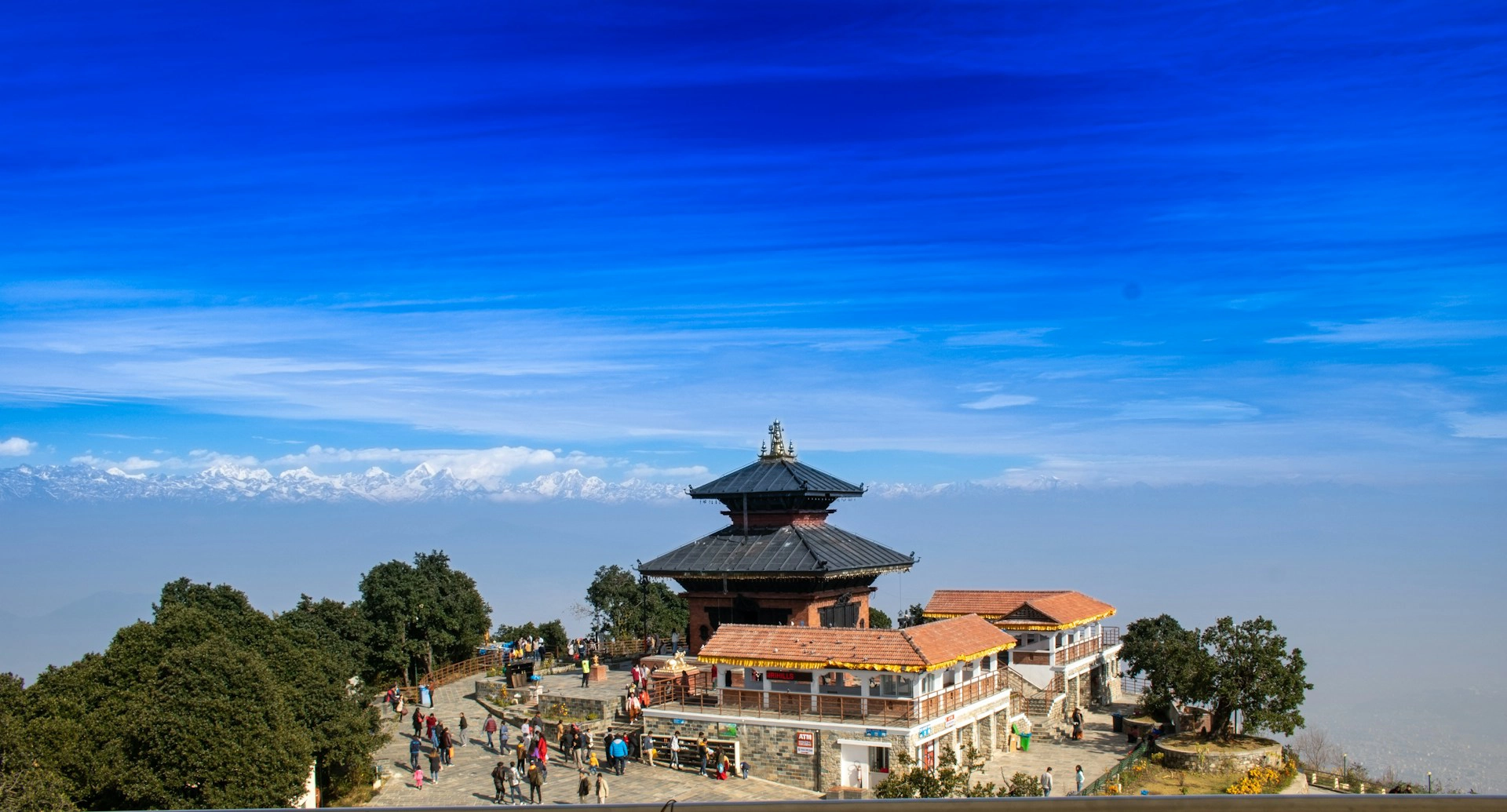
Nagarkot is a scenic hill destination located a short and comfortable drive from Kathmandu. Nagarkot is only 32 kilometers from Kathmandu and offers breathtaking sunrise views, captivating activities, and peaceful mountain scenery that fascinate everyone who visits.

This hill station is popular for its panoramic Himalayan scenery and clean mountain air. If you reach the viewpoint in Nagarkot early, you will witness the sunrise over snow-white mountains. This is a magical and peaceful experience.

Whether you seek an exciting adrenaline adventure or a meditative escape, this Himalayan jewel has it all and deserves a spot on your travel itinerary.

Things to do in Nagarkot

  • Watching the Sunrise: Wake up early in the day and see the mountains.
  • Food: Local cafes serve popular snacks like momos and fresh-brewed tea.
  • Photography: You can capture scenic Himalayan views, local farmers, and traditional homes.

You’ll love Nagarkot! The best way to get out of the city is to enjoy serene mountain views and fresh air.

Other attractions in Nagarkot

Nagarkot offers more than just a breathtaking sunrise. After enjoying the magical early-morning views, you can explore the hilltop retreat and discover its cultural and natural treasures. By visiting these places of interest, you can witness local customs, explore ancient architecture, enjoy tranquil nature hikes, and be part of the Himalayan landscape. Here are some must-visit places in Nagarkot.

  • Changu Narayan Temple:

Changu Narayan Temple, one of the oldest Hindu temples, is a UNESCO World Heritage site, featuring detailed carvings and architecture. You can visit this temple on your way back to Kathmandu from Nagarkot.

As you explore the temple grounds, you will learn some of the most interesting local legends and be amazed at centuries-old craftsmanship. This holy place blends spirituality, history, and natural beauty, making it a must-visit cultural destination.

  • Hiking and Nature Walks:

Nagarkot is surrounded by beautiful hiking trails and nature walks, allowing you to explore the peaceful Himalayan countryside fully. Along with short walks, day-long hikes are available, ensuring that every visitor, regardless of fitness level, can enjoy Nagarkot’s natural beauty.

You will enjoy the fresh mountain air, observe local wildlife, and take in breathtaking views as you walk through forests and hills.

Trip to Namobuddha

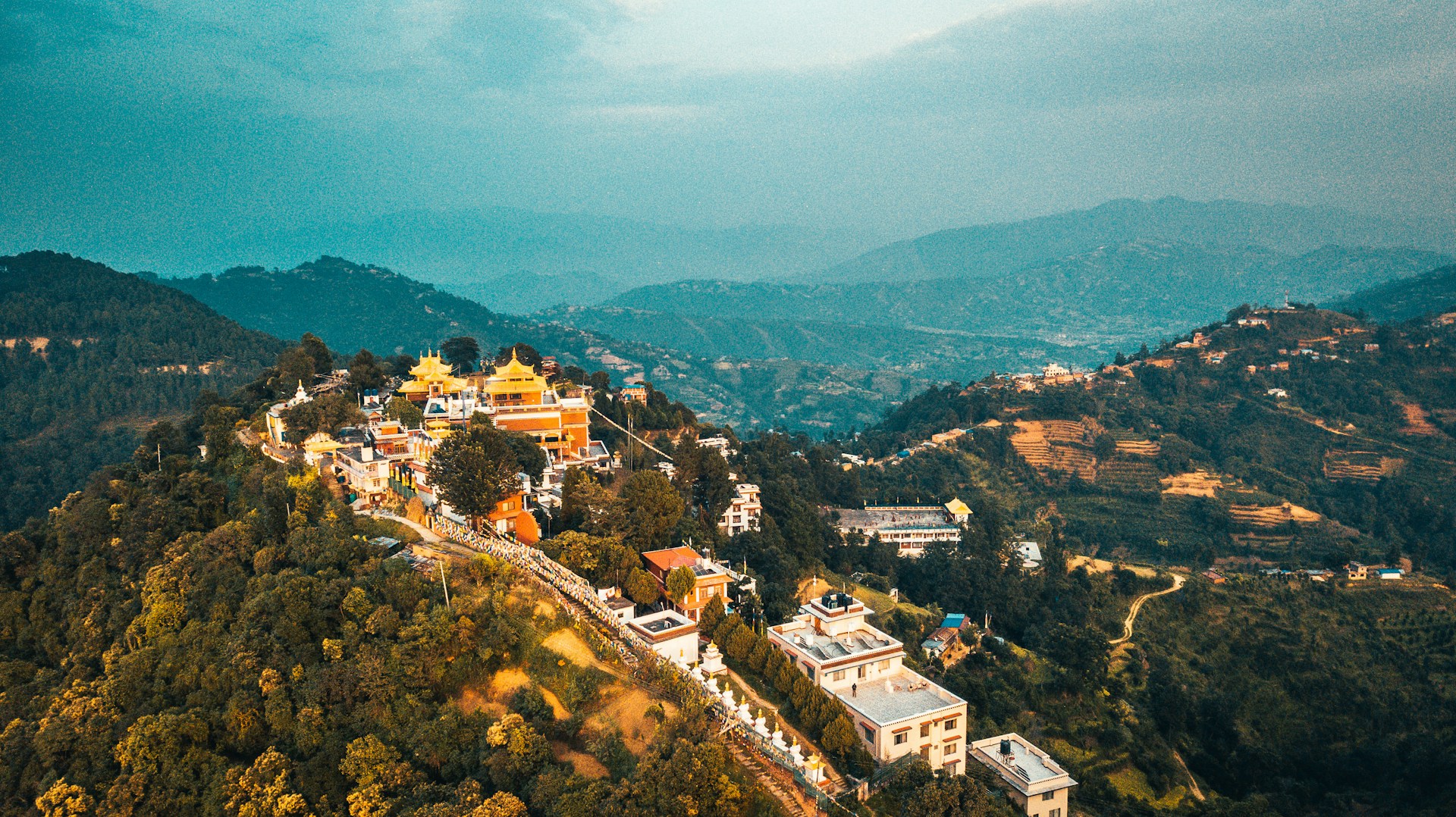
Namo Buddha is located near Panauti in Kavre district, approximately 40 km southeast of Kathmandu, making it ideal for a day trip. It is an important religious and tourist destination for both local and international visitors. The Namobuddha Stupa is one of the three most important Buddhist pilgrimage sites in Nepal and one of the three main Buddhist Stupas of the Kathmandu Valley.

The hills and valleys surrounding Namobuddha are breathtaking, providing visitors with a peaceful, reflective, and spiritually uplifting experience. The site’s historical and spiritual importance teaches pilgrims lessons of generosity, mindful living, and the journey towards enlightenment.

Overall, Namobuddha is a pleasant site that offers deep insight into Nepal’s spiritual and cultural heritage.

 Visitors can:

  • Go up to the monastery and have panoramic views of the hills.
  • Try out local hospitality in small tea houses along the path.
  • Learn about the legend of Prince Mahasattva associated with this sacred site.

Moreover, the trip is an ideal day trip that combines spirituality, nature, and light hiking.

Historical Significance of Namobuddha

According to Buddhist sutras, Lord Buddha’s previous life was as Prince Mahasattva, the youngest son of King Maharatha. While exploring the forest with his older brothers, he discovered a starving tigress and her cubs, struggling to survive. Moved by their suffering, Prince Mahasattva sacrificed his own flesh to feed the tigress and save her helpless cubs before continuing his journey.

When his brothers returned later, they found only his bone and hair at the spot. In his honor, the King and Queen buried a small casket covered with seven kinds of jewels and built a stupa over the place. Today, the hilltop is adorned with colorful prayer flags, making the site sacred and revered by both Buddhist and Hindu devotees. Visiting the stupa allows you to witness centuries-old traditions, learn about selflessness and compassion, and enjoy breathtaking views of the hills.

Nearby Quick Spots to Visit

These locations near Atisha Hotel are ideal for casual sightseeing when you do not need to plan or schedule a full day.

Basantapur Durbar Square

Basantapur is the historic center of Kathmandu, full of daily local life and Nepalese culture. There are rooftop cafes where you can relax and witness the panoramic views of the historic square and the busy streets. As you walk through Basantapur, you will notice street vendors, local practices, and Kathmandu life.

Pashupatinath Temple

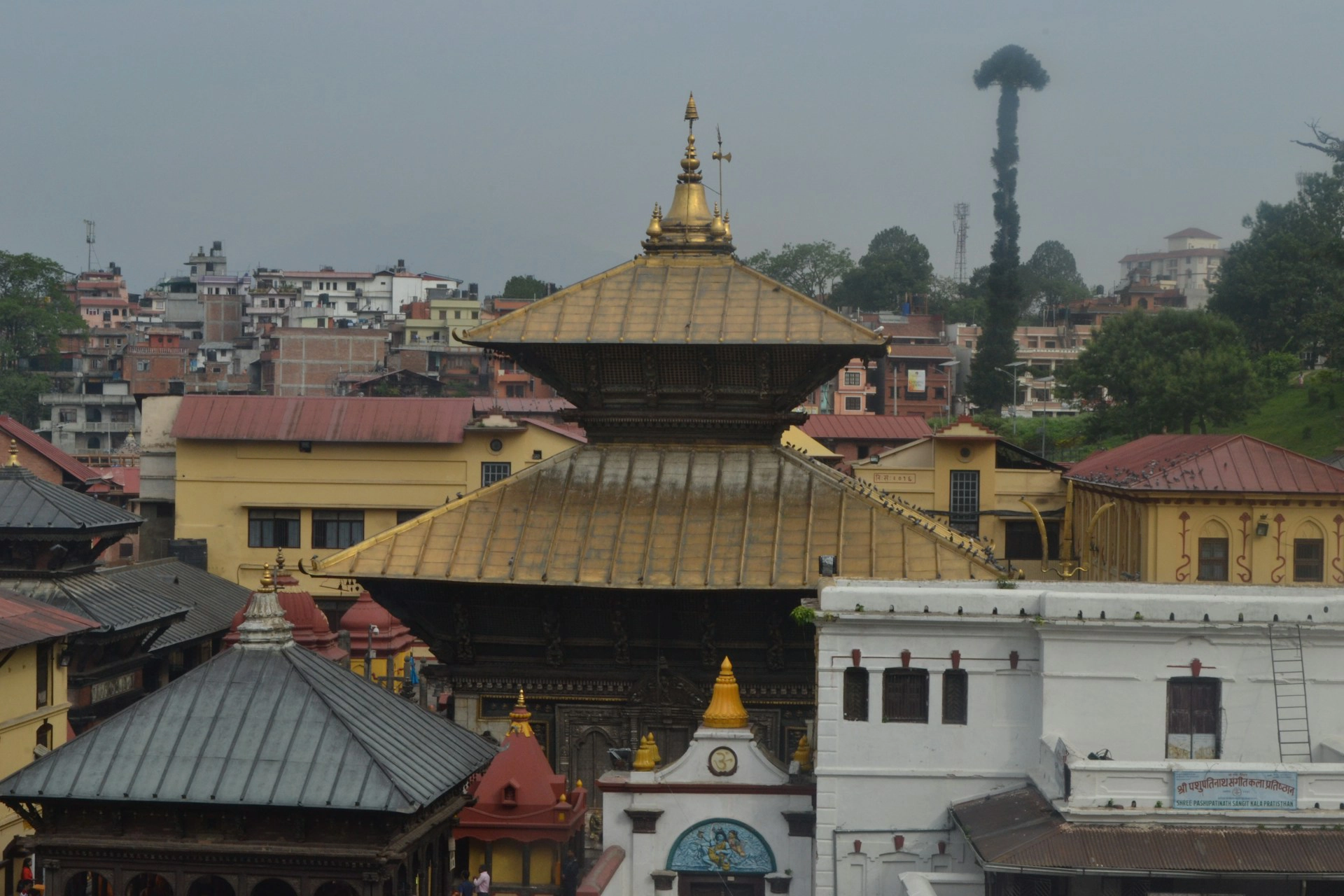
Pashupatinath Temple, a UNESCO World Heritage Site, is dedicated to the Hindu deity Lord Shiva. The temple offers a calm and reflective atmosphere that provides insight into Nepal’s spirituality and religious traditions.

By visiting the temple early, you can observe morning prayers and enjoy a quieter, less crowded environment. During your visit, we ask that you follow the temple’s rules and respect the photography guidelines to ensure a meaningful experience.

Bouddha (Bouddhanath) Stupa

Bouddha Stupa is a UNESCO World Heritage Site and one of the most important Buddhist landmarks in Kathmandu. According to UNESCO and the Nepal Tourism Board, it is among the largest spherical stupas in the world.

When you are inside the stupa, you basically can

  • Walk clockwise around the stupa while observing prayers and local rituals.
  • Stroll around the local stores selling prayer flags, souvenirs, and traditional handicrafts.

Bouddha is calm yet vibrant, making it an ideal destination for a quick stop in Kathmandu. Short visits help you learn about nearby monasteries and use them to meditate, gain spiritual insights, and enjoy rich cultural experiences.

Pharping

Pharping is famous for its holy caves and monasteries, and for its spiritual significance, offering visitors a peaceful respite. It is a quiet place to meditate, contemplate, and experience local religious practices. Pharping is situated about 19 km south of Kathmandu and has long been a well-known pilgrimage destination for both Buddhist and Hindu devotees.

The area is especially sacred for the Asura Cave and the Yanglesho Cave, where Guru Rinpoche (Padmasambhava) is believed to have attained spiritual awakening. These holy sites attract pilgrims seeking meditation, reflection, and spiritual growth in a peaceful environment.

Besides its spiritual significance, Pharping features picturesque village scenery and opportunities to meet local communities, offering a rich cultural experience. Pharping is a perfect destination for visitors seeking peace, harmony, and a deeper connection to Nepal’s spiritual heritage.

Kapan Monasteries

When you are staying at Hotel Atisha and are looking to enjoy the quieter side of Kathmandu, you must visit the monasteries. It only takes minutes to reach the Kapan Monasteries from the hotel.

You’ll have an opportunity to meditate, take photographs, or have a short, quiet walk at the peaceful monastery grounds. Kapan monastery welcomes 3,000 visitors each year seeking spiritual guidance and inner peace.

You can also experience the monks’ daily routines, prayers, and teachings, which provide in-depth insight into the life of a Buddhist monk and offer peace, reflection, and a real taste of local culture.

Why Stay at Atisha Hotel for Day Trips in Kathmandu?

Atisha Hotel is the best place to start all-day trips to Kathmandu. There are great attractions nearby, and you can easily visit them during the day and return to your rooms in the evening, where you can sleep peacefully. The rooms are comfortable, and the staff provide quality services. Atisha Hotel will provide you with the information you seek about directions, schedules, and sightseeing spots.

Moreover, see the city in a different light with the eco-friendly EV van service by the Atisha Hotel. It is a relaxing, sustainable lifestyle that lets you experience the local beat without the usual rush of travel.

Conclusion

In conclusion, day trips are easy to explore when staying at Atisha Hotel, as we are located in a convenient spot from which you can travel around the valley. Also, Hotel Atisha provides comfort, convenience, and flexibility for travelers exploring Kathmandu. Personalized recommendations and help from hotel staff enhance the overall experience.

It is easy to hire an EV car through us by calling through WhatsApp at +977-9809496444. We will be glad to assist you in scheduling a route that suits your interests and speed.

A Local’s Guide to Bhaktapur Hidden Gems and Must-See Attraction

If you’re visiting Nepal and want to truly understand its culture, history, and traditional lifestyle, Bhaktapur is a place you shouldn’t miss. As locals often say, “Kathmandu shows modern Nepal, but Bhaktapur shows the soul of old Nepal.”

Bhaktapur, a short drive from Kathmandu, is one of the best, well-preserved, and beautiful ancient cities in the Kathmandu Valley. Once you walk through the brick-paved alleys, you will feel as if you are stepping into the past, witnessing people going to the temples as they did, people still celebrating festivals with great joy, and artists continuing the traditional crafts. You are not just visiting the place; you are diving into its history and experiencing it firsthand.

In this Bhaktapur travel guide, we’ll take you through the main tourist attractions in Bhaktapur, while also sharing local insights that most visitors miss. Whether you’re here for a day tour or a deeper cultural journey, Bhaktapur has a way of staying with you long after you leave.

Also, witness the city from a new perspective with Atisha Hotel’s eco-friendly EV van service. This comfortable and eco-friendly way lets you experience the rhythm of local life while avoiding the usual travel rush.

You can book the EV van efficiently by contacting us on WhatsApp at +977-9809496444. We’ll be happy to help you plan a route that matches your interests and pace.

Why does Bhaktapur feel different from other cities of Kathmandu Valley?

Unlike other cities, Bhaktapur has protected its traditional architecture and lifestyle. Vehicles are limited in the old town, which makes exploring peaceful and enjoyable. As a tour destination, it offers a complete cultural experience in a compact area.

Bhaktapur is perfect in its own way, and you can experience:

  • Authentic Newari culture
  • Well-preserved heritage sites
  • Fewer crowds compared to Kathmandu & Patan
  • Rich history, architecture, and local life

Bhaktapur Durbar Square

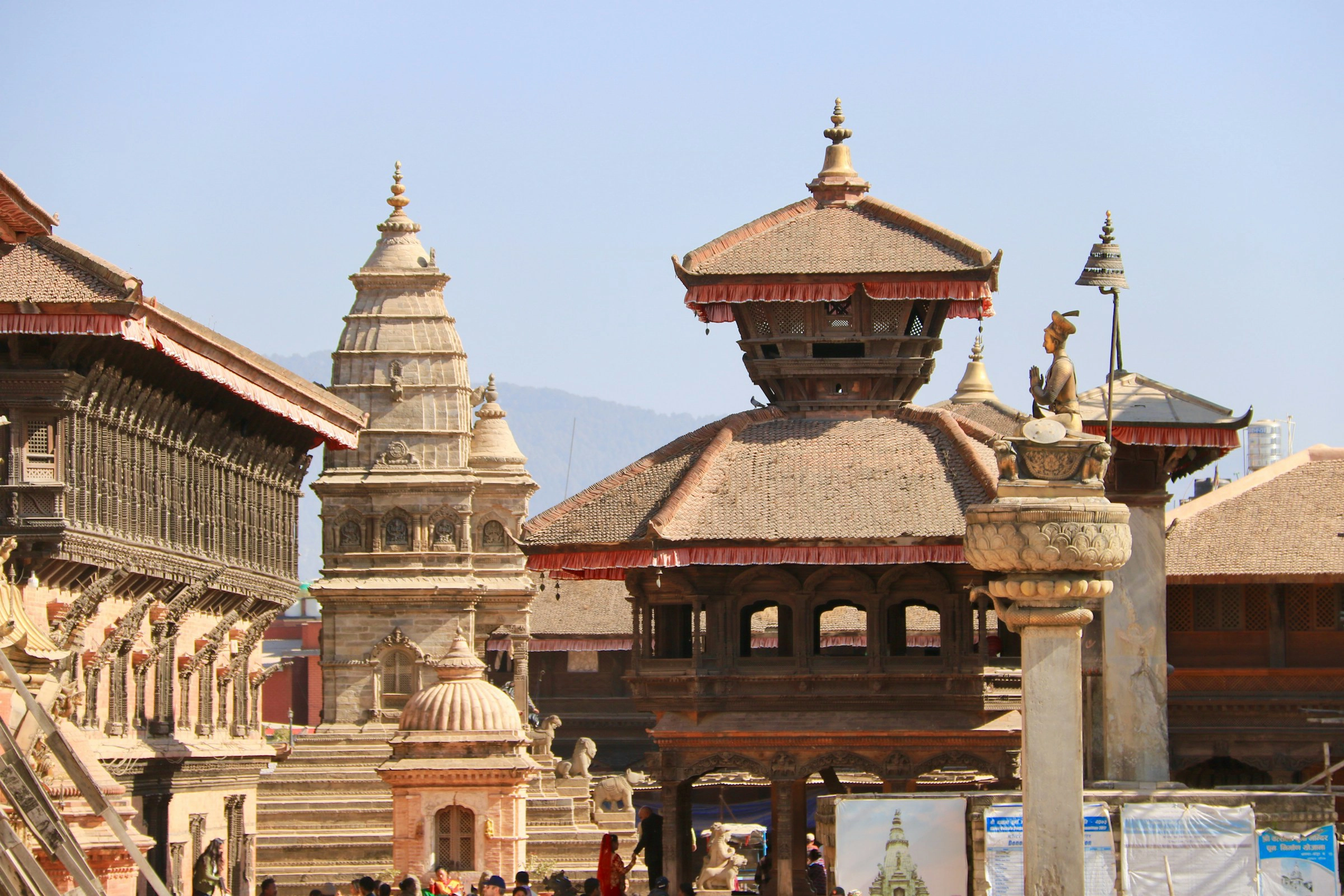
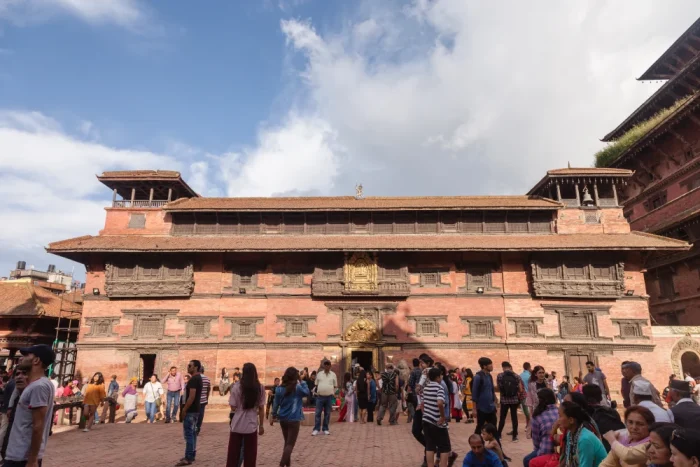
Bhaktapur Durbar Square, a UNESCO World Heritage Site and the royal palace of the Malla kings, is the most important and visited attraction in Bhaktapur. This square today is an open museum of palaces, temples, and courtyards that reflect the golden age of Newari art and architecture.

Highlights of Bhaktapur Durbar Square

There are plenty of things to explore around the Durbar Square, and below are the major highlights you should not miss.

  1. The 55-Window Palace

The 55-Window Palace, built in the 15th century, is one of the best examples of traditional Newari craftsmanship in Bhaktapur. This palace was built in the 15th century and served as the Malla kings’ royal residence.

As you look closely at the windows, you will find that each has a different pattern and is entirely hand-carved. If you get the chance to talk with the locals, you will be amazed at how they beautifully describe this palace. They often resemble this Newari craftsmanship as an example of Bhaktapur being called an open museum.

  1. Golden Gate (Sun Dhoka)

The Golden Gate, locally known as Sun Dhoka, is the main entrance to the inner palace courtyard. It is the most beautifully decorated palace gate in Nepal, adorned with gold and copper, featuring detailed carvings of Hindu gods and goddesses. When you look closely at the gate, you will be amazed by the high level of craftsmanship during the Malla period.

This gate was not built to look grand at that time. It was also meant to protect the palace spiritually. The art of deities was carved here to guard the royal family and bring good fortune. This makes the Golden Gate both a work of art and a symbol of divine protection.

  1. Taumadhi Square

Taumadhi Square is one of the busiest and liveliest squares in Bhaktapur. This square is home to two well-known sites in the city: Nyatapole and Bhairabnath Temple. This square is loved and widely admired by both local and foreign tourists.

Nyatapola Temple, a five-storeyed temple built in 1702 by King Bhupatindra Malla, is one of the tallest pagoda-style temples in Nepal. What makes this temple special is its strength and balance. Locals proudly say that even after many earthquakes, it is still standing.

As you walk up the steps, you can see the stone statues on both sides. Each pair is meant to protect the temple, and each one is believed to be stronger than the one below. When you reach the top, you will witness the beautiful view of Taumadhi Square and the old houses of Bhaktapur. You should definitely spend some time at the top and capture the moment.

  1. Dattatreya Square

Dattatreya Square, located in the northeast of Bhaktapur Durbar Square, is the oldest of the four squares. This square is named after the Dattatreya Temple, built in 1427 by King Yaksha Malla, which is the only temple in Nepal dedicated to Dattatreya. Dattatreya is generally the trinity form of three major Hindu deities, Brahma, Bishnu, and Mahesh. Locals believe the temple was built from the wood of a single tree.

Around the Dattatreya temple, you can visit other temples too, including Laxmi Narayan Temple, Bhimsen Temple, and Salan Ganesh Temple. You can also find two museums: the Wood Carving Museum and the Brass & Bronze Museum.

  1. Pottery Square

Pottery Square, also known as Talako Tole, is a large, open square used by local potters for traditional clay work.  The pottery produced here includes water jars, bowls, lamps, and household items commonly used in Newari culture.

Unlike other areas of Bhaktapur, Pottery Square has very few temples and is mainly a working space rather than a ceremonial one. You will witness the open-drying area, potters’ wheel, potter’s square kilns, souvenir stalls, Vishnu shrine, and Jeth Ganesh temple.

Today, this place remains a genuine potters’ square, where you can still witness the traditional Nepali pottery-making process carried out by local families using age-old techniques passed down through generations.

Changunarayan Temple

Changunarayan Temple, a UNESCO World Heritage Site dedicated to Lord Vishnu (Narayan), dates back to the 4th century during the Lichhavi period and is one of the oldest Hindu temples in Nepal. This is mentioned in King Manadeva’s 464 CE inscription, near the temple, written in Sanskrit and engraved in Gupta script.

Changunarayan Temple is built in a unique 2-tiered structure (neither pagoda nor shikara style), adorned with carvings and features four doorways guarded by lions. Here, you will see carvings of Lord Vishnu’s incarnations, such as the Narsimha avatar, Lord Vishnu’s Vishwaroop, and more.

This temple is home to several minor shrines dedicated to various Hindu deities, including Lord Shiva, Lord Bhairav, and the Navagraha, or nine planets. Every shrine has a distinctive architectural design that honors the god it is devoted to, and those sculptures and carvings prove the skills of the people of that time.

Visiting Bhaktapur during Festivals

If you are lucky enough to visit Bhaktapur during festival time, you will see a very different side of the city. On these days, the quiet streets fill with music, color, and crowds, and the whole city feels alive. There are a few times you should not miss in Bhaktapur.

During the Nepali New Year, Bhaktapur organizes the Bisket Jatra, Bhaktapur’s biggest festival, in which huge wooden chariots are pulled through the streets. The energy, drums, and excitement make it an unforgettable experience.

You may also encounter festivals such as Gai Jatra and Indra Jatra, featuring traditional costumes, masked dances, and rituals. If you get to see these festivals, you are seeing the Bhaktapur in its local, raw form. During festivals, Bhaktapur is a place full of joy, emotion, and belief.

Food Attractions You Shouldn’t Miss

As you explore Bhaktapur, you will start noticing small food shops and local eateries along the streets. This city is known for simple but very traditional flavors, and tasting local food is part of the experience.

You will definitely hear people talk about juju dhau, the famous “king curd” of Bhaktapur. It is thick, creamy, and lightly sweet, usually served in a small clay bowl. It tastes finest here, according to many tourists, and locals are proud of it.

Traditional Newari dishes such as yomari (a sweet dumpling filled with molasses), choila (spiced grilled beef), and bara (lentil pancakes) are also available. These foods are not fancy, but they are part of everyday life here. You should actually try these to feel the Newari taste. There are even more homemade foods made during festivals.

Best Time to Visit Bhaktapur

Although it is possible to visit Bhaktapur at any time of year, some seasons offer a more pleasurable experience. Spring (March to May) and fall (September to November) are the ideal times to go. The weather is nice, the skies are clear, and it’s easy to stroll around the ancient city during these months.

You will see Bhaktapur at its best if you visit early in the morning or late in the afternoon. The streets are quieter, the light is gentler, and everyday life is unfolding organically all around you. Another great time to visit is during festival seasons, when the city comes alive, and you can better understand the native way of life.

Why Bhaktapur Stays with You?

Bhaktapur has so much to offer that it cannot be summed up in a single landmark or spot. As your visit comes to an end, you may realize that Bhaktapur feels different from other places you’ve seen. It’s not just about the temples or the squares, but the feeling of the city itself. You’ll witness folks praying at small shrines, artisans quietly working, and families carrying on generations-old traditions. The alleys are narrow, small, and brick-paved, and your walk on those alleys lets you feel the actual Bhaktapur in local style, and the serenity remains with you. That’s why Bhaktapur doesn’t just feel like a place you visit, but a place you carry with you even after you leave.

How does Atisha Hotel come in handy?

Staying at Atisha Hotel helps you keep that peaceful feeling even after you leave the streets of Bhaktapur. After a full day of walking through temples and heritage squares, it’s a calm and comfortable place to relax and slow down. The warm hospitality and quiet atmosphere make your stay feel easy and natural, letting you experience Bhaktapur not just as a place you visited, but as a feeling you’ll remember.

A Local’s Guide to Patan: Hidden Gems and Must-See Attractions

Patan, one of the oldest cities, was established by the Kirat Dynasty in the 3rd century BC. Later, this city was expanded in the 6th century. Most people outside the valley know Patan as the renowned Patan Durbar Square.

Actually, Buddhism and the ancient city of Patan are related.  Patan was initially planned to resemble a Buddhist Dharma Chakra.  Numerous historical accounts state that in 250 BC, Emperor Ashoka traveled to Kathmandu with his daughter and constructed five Ashoka Stupas, one of which was situated in the center of Patan. This culturally rich city is an essential part of Buddhist culture, as it is home to several historical monuments that characterize it. It is also home to some 1,200 Buddhist monuments.

This article isn’t just a description of Patan’s beauty; it’s an invitation to experience the city the way it truly is. It’s written for travelers who don’t want to rush from one landmark to another but prefer to slow down and understand a place’s spirit. Patan deserves that kind of attention.

Arriving in Patan: First Impressions and Atmosphere

Patan is the kind of place that feels welcoming the moment you arrive, where history is still part of everyday life. You will find the culture opening up in people’s everyday life, their work, and prayer. Once you start strolling around Patan, you will be amazed by what Patan has stored for you in its texture, craftsmanship, and gentle surprises hidden between temples, courtyards, and narrow alleyways.

Patan moves at a different pace than Kathmandu. The streets get narrower, the homes sit closer together, and suddenly the atmosphere changes. It feels older, more intimate, almost as if you’ve stepped into a part of the city where time has slowed down. It’s less chaotic than Kathmandu, but there are enough tiny moments to keep your attention.

Patan Durbar Square – The Living Heart of the City

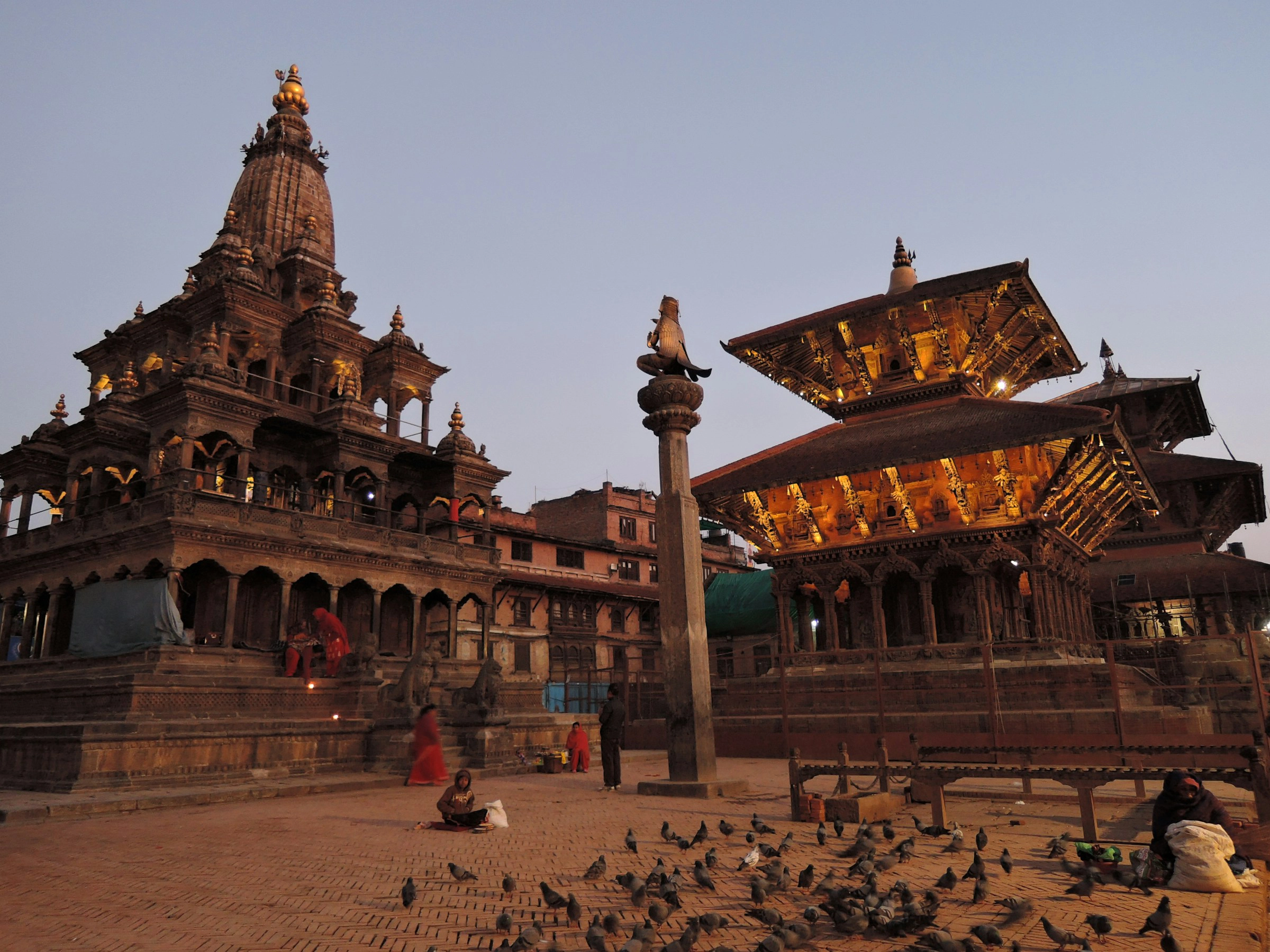
The Patan Durbar Square, a UNESCO World Heritage Site, is famous for its rich history of metal statues, stone carvings, and handicrafts.

The crazy thing about visiting Patan is that no matter where you start, the path somehow brings you to Durbar Square. The Durbar Square is the heart of Patan, where you will connect spiritually, visually, and culturally.

With your first step in the Square, the space opens up in a way that feels almost cinematic. Temples rise in elegant tiers, their carved wooden beams catching the light, and stone lions keep silent watch over stairways that lead to sacred spaces.

Things you will never forget about the Durbar Square:

  • The mix of temples, palaces, and shrines that appear all at once when you enter the square.
  • The smell of incense drifting from small courtyards.
  • Elderly locals sitting on “pati”, talking and observing the day pass.
  • Kids weaving in and out of the alleys as if the whole square is their playground.
  • Artists selling handmade jewelry, carvings, and metalwork.
  • The calm evenings when the light turns the brick and wood a deep golden shade.

There is no rush here. You could sit on the steps of an old temple for an hour and feel like you’ve absorbed more history than any guidebook could offer.

Patan Durbar Square isn’t a monument; it’s a heartbeat. Locals use it as a meeting point, a resting place, a place for worship, or sometimes just a shortcut home. During festivals, it comes alive with color and music. In the early morning, it feels tender and quiet, and in the evening, the brick and temples glow warmly as the sun goes down.

While strolling around Durbar Square, don’t miss the Krishna Mandir, standing tall at the center of the square. Krishna Mandir is built entirely of stone and decorated with intricate carvings depicting scenes from Hindu epics. At dusk, when lamps begin to glow, the temple looks particularly magical.

Patan Museum – Art, Heritage, and Quiet Reflection

If you want to understand the soul of Patan, spend some time at the Patan Museum. The building itself is a piece of history, once part of the old royal palace. Inside, you’ll find beautifully preserved artifacts that show how skilled Nepali artists have been for generations, including delicate metal statues, detailed wooden sculptures, and objects once used in rituals.

Unlike many museums, this one feels peaceful. You wander through quiet rooms, step into the open courtyard, and realize how deeply art and spirituality are woven into everyday life here.

And then there is the courtyard. Step outside for a moment and you’ll find a quiet garden tucked between brick walls and shaded by greenery. It’s peaceful, calm, and surprisingly still. After exploring Kathmandu’s busy neighborhoods, this serene space feels like a much-needed pause.

Patan Museum

The Hidden Courtyards and Bahals – Patan’s Secret World

One of the things that makes Patan special is what you find between the main roads. Step into almost any narrow alley, and you’ll discover a bahal or courtyard. These bahals are the spaces that locals use every day. Many of them are centuries old, marked by small shrines, water spouts, prayer wheels, and traditional houses built closely around them.

These courtyards aren’t tourist spots. They are living spaces where families dry clothes, children play, and neighbors gather for a chat. Exploring them gives you a closer look at the real Patan, the part that doesn’t appear on travel brochures but holds the city’s deepest charm.

Here are a few to keep an eye out for:

Kwa Bahal

A tranquil, historic courtyard where locals come to pray or sit in the sun. Its layered woodwork and stone images make it worth lingering a little longer.

Nagbahal

A spacious courtyard that feels like a hidden neighborhood of its own, complete with temples, old houses, and the rhythmic sounds of daily life.

Sundari Chowk

Inside the Patan Museum complex, this is one of the most beautifully restored courtyards in the valley. The stone bath at the center (Tusha Hiti) is a masterpiece of Newar design.

How to explore them like a local:

  • Don’t hesitate to take the narrow alleys; that’s usually where the courtyards hide.
  • Follow the soft sound of prayer wheels or footsteps, which often guides you to a bahal.
  • Step inside with respect since these spaces are part of community life.
  • Notice the details: some courtyards feel lively, others calm, each with its own story.

Without these courtyards, Patan would be a city of history. With them, it becomes a city of living memory.

Artisan Workshops – Where Craft is Still Made by Hand

As you continue further into Patan, particularly around Oku Bahal, you’ll notice a soft, repeated tapping in the background. That sound comes from the metalworkers. They sit on small wooden platforms, slowly hammering copper and brass into beautiful forms. From religious statues to household items, everything is made by hand, right there in the open.

These aren’t souvenir factories. They’re family workshops where the craft is handed down from one generation to the next, just like a family heirloom.

So, where will you explore the crafts in Patan?

There are a few spots where you should definitely visit and explore.

  • Mangal Bazaar for metalwork
  • Okubahal for traditional paintings
  • Near Golden Temple for handmade crafts and artisan workshops.

Buying something from these places has real meaning. You’re supporting families who have kept these skills alive for generations and who continue to define Patan’s artistic identity.

Even if you don’t buy, simply watching is mesmerizing.

Food, Tea, and Newari Flavors

As you explore Patan’s alleys, squares, and courtyards, make time for short breaks. This city is best experienced slowly, and its food naturally becomes part of the journey. Newari dishes carry bold flavors and a strong sense of place, giving visitors a direct connection to the local culture.

Local tastes to try:

  • Yomari – steamed dumplings filled with sweet molasses.
  • Bara – savory lentil patties served with egg or meat.
  • Choila – spiced grilled meat often served with beaten rice.
  • Aloo Tama – bamboo shoot and potato curry.
  • Sweet milk tea served in small glasses or clay cups.

If you want to enjoy Patan’s real flavors, you should follow the locals, not the signboards. The best meals are found in small family-run eateries that can only be found inside courtyards or along narrow alleys. These places may look simple, but the food feels homemade and comforting.

Temple Details and Symbolism

Even if you’re not religious, the symbolism woven into Patan’s temples and shrines adds another layer to your visit. As you walk around, keep an eye out for the small details that locals barely think twice about but carry centuries of meaning.

You should definitely look for:

  • Carved wooden roof bars depicting protective deities.
  • Stone guardian lions and their stance.
  • Bells that worshipers tap gently for good fortune as they pass.
  • Oil lamps flickering against darkened shrines.
  • Offerings of marigolds, rice, and colored powder.

You don’t need to step into every temple. Sometimes the best way to understand these places is to stand outside for a moment and watch how people move around them.

Golden Light and the Changing Mood of the City

If you’re still in Patan by late afternoon, you’ll notice the whole place beginning to settle into a different rhythm. This is one of my favorite times to be here. The sun drops low enough to warm the brick buildings with a soft golden color, and the temples look almost sculpted by the light. You’ll see long shadows stretching across the square, and the usual daytime noise slowly fades.

If you stay until sunset, the square becomes softer, quieter, almost reflective. Lamps are lit, incense burns, and the city feels wrapped in a gentle stillness.

A Gentle Note from Atisha Hotel

Many guests at Atisha Hotel in Boudha like to start their day with a quiet morning by the Stupa and then take a day trip to Patan. The contrast is part of the experience where Boudha offers calm, spiritual energy, while Patan pulses with art, history, and local life. Spending time in both places gives you a fuller, more balanced sense of the Kathmandu Valley.

We aim to make your journey as effortless as possible. If you’d like to explore Patan comfortably, you can book our eco-friendly EV van service right from the hotel. It’s a quiet, sustainable way to move through the city, giving you the freedom to explore at your own pace.

To reserve, message us on WhatsApp at +977-9809496444, and we’ll help plan your route.

Practical Tips for Visiting Patan

  • Best time to visit: morning or late afternoon.
  • Wear comfortable footwear.
  • Bring a camera, but photograph respectfully.
  • Explore beyond the main square, wander, and get pleasantly lost.
  • Hire a guide if you like stories, not lectures.
  • Carry small cash for tea, snacks, and entry fees.

In the End: Why Patan Stays with You?

Patan is the kind of place that doesn’t just show you its history, it lets you live it, even if only for a few hours. The alleys, courtyards, and temples have a rhythm of their own. You notice it in small moments: children running through a bahal, artisans hammering copper on low benches, or the quiet hush that falls over the square as evening approaches.

It’s easy to come here focused on the famous temples, the carved rooftops, or the museum artifacts. But what stays with most visitors is something quieter: the way life unfolds naturally around centuries-old buildings, the small rituals that continue unchanged, and the sense that art, tradition, and daily life are woven seamlessly together.

Believe it, even after you’ve left the streets and courtyards, Patan lingers in your mind.

A Local’s Guide to Kathmandu: Hidden Gems and Must-See Attractions

Kathmandu is a city best felt, not just seen. This guide to Kathmandu invites you to wander its streets, where you’ll find ancient temples beside lively tea stalls, prayer flags fluttering above narrow alleys, and the scent of incense drifting through the air. It’s a place where calm and chaos blend beautifully—encouraging you to slow down, look around, and take it all in.

For us here at Atisha Hotel, Kathmandu isn’t just a stopover for travelers heading to the mountains—it’s home. Every lane tells a story, every courtyard hides a bit of history, and every morning feels different from the last.

Planning to explore the city? Well, this guide helps you with the details from locals who love it deeply. These are the places that hold the heart of Kathmandu—the well-known sites, yes, but also a few corners you might not find on a typical map.

Also, witness the city from a new perspective with Atisha Hotel’s eco-friendly EV van service. You can travel through Kathmandu’s timeless landmarks like Swayambhunath, Pashupatinath, Kathmandu Durbar Square, or other amazing spots.  This comfortable and eco-friendly way lets you experience the rhythm of local life while avoiding the usual travel rush.

You can book the EV van efficiently by contacting us on WhatsApp at +977-9809496444. We’ll be happy to help you plan a route that matches your interests and pace.

Must-See Attractions in Kathmandu

Boudhanath Stupa

Let’s start right where we are—Boudhanath, the spiritual center of Tibetan Buddhism in Nepal and one of the largest stupas in the world.

Walk around it once and you’ll feel the energy of the place. Monks in maroon robes spin prayer wheels, older women murmur mantras under their breath, and pigeons flutter above as the golden eyes of Buddha look calmly over the valley.

You must visit early in the morning or at dusk, when butter lamps glow and the stupa shines softly against the sky. In those quiet hours, the city seems to slow down. You can sit over a rooftop café nearby and sip a cup of butter tea, watch prayer flags flutter in the breeze. This will let you understand why locals hold this place so close to their hearts.

For guests staying at Atisha Hotel, the stupa is just a short walk away—it’s the perfect start or end to any day in Kathmandu.

Pashupatinath Temple

A short ride from Boudha takes you to Pashupatinath, the most sacred Hindu temple in Nepal. This is where devotion takes its deepest form. Along the banks of the Bagmati River, priests chant, bells ring, and smoke from ceremonial fires rises slowly into the sky.

It’s a place that reminds you how fragile and sacred life is. You’ll see people praying, bathing, meditating—and even cremation ceremonies taking place by the riverside. It may feel intense, but it’s a powerful window into how Nepalis see life and death as part of the same journey.

If you go in the evening, stay for the Sandhya Aarati ceremony. The chants, the sound of conch shells, the flicker of oil lamps—it’s pure energy. You don’t have to understand every ritual to feel it.

Kathmandu Durbar Square

You travel back in time as soon as you enter Kathmandu Durbar Square. Initially inhabited by Nepal’s royal family, it is today a bustling area where everyday life and history meet.

Temples with carved wooden windows line the square, locals feed pigeons, and kids run across the ancient stone courtyards. Don’t miss the Kumari Ghar, home of the living goddess Kumari—a young girl worshipped as a manifestation of divine energy.

Even after the 2015 earthquake, much of the old charm remains. Stroll, look up at the carvings, listen to the bells, and you’ll begin to feel the rhythm of old Kathmandu still pulsing here.

Swayambhunath

Perched on a hill overlooking the city, Swayambhunath, or the Monkey Temple, is one of those places that somehow feels ancient and alive at the same time.

The climb up the stairs can leave you breathless—but so does the view from the top. The eyes of Buddha painted on the golden spire seem to follow you, not in judgment but in quiet understanding.

Come early, before the tour buses arrive, and you’ll meet locals feeding monkeys, lighting butter lamps, and turning prayer wheels as the sun rises over Kathmandu. It’s peaceful, sacred, and deeply human all at once.

Thamel

Every traveler ends up in Thamel at least once, and for good reason. It’s Kathmandu’s buzzing, colorful heart—a maze of streets lined with souvenir shops, trekking stores, cafés, and live music bars.

You can spend hours just walking here, bargaining for scarves or tasting your way through momos, thukpa, and Newari snacks.

If you’re in the mood for something slower, duck into one of the quieter cafés tucked away behind the main road. There is always a place where time appears to stop, music hums quietly, and the creative pulse of the city feels close, even in the middle of the commotion outside.

Garden of Dreams

Not far from Thamel, hidden behind tall gates, lies the Garden of Dreams—a beautifully restored neoclassical garden that feels like another world.

Sit by the pond, watch the koi fish swim, and listen to the sound of water trickling over stone. Locals come here to escape the city noise, to read, talk, or breathe. It’s one of those small, unexpected corners of Kathmandu where you realize how much beauty this city holds if you slow down enough to notice.

Hidden Gems Worth Discovering

Kathmandu’s magic isn’t only in its famous sites — it’s also in the little corners that tourists often miss.

Kirtipur, perched on a hill, is an old Newari town that feels almost frozen in time, remarkably unspoiled, and is only a short drive southwest of the capital. You will get to explore the Bagh Bhairav Temple, which provides expansive views of the valley, observe residents drying chilies on rooftops, and stroll through tiny stone passageways.

Asan Bazaar, near Durbar Square, is where locals shop for spices, vegetables, and everything in between—it’s Kathmandu’s soul in motion. It’s loud, vibrant, and really fascinating—stalls brimming with brassware, tea, veggies, and spices. Families haggling, monks strolling by, and children chasing pigeons are all visible. For photographers or anybody who enjoys local culture, it’s the ideal location.

Kopan Monastery, situated on a hill with views of the entire city, is not far from Boudha. It’s a terrific place to spend a few hours contemplating, and it’s well-known for its meditation retreats and kind monks. You may explore the gardens, hear the chants, and take in the expansive valley vista even if you’re not there for a retreat.

Budhanilkantha Temple, located just north of the city, is home to a giant stone figure of Lord Vishnu lounging in a pool of water. This temple is one of Nepal’s most distinctive places of worship and is greatly admired by the locals but frequently ignored by tourists.

Each place shows a different side of the valley—less polished, more real, and always full of life.

Knowing Kathmandu at its best

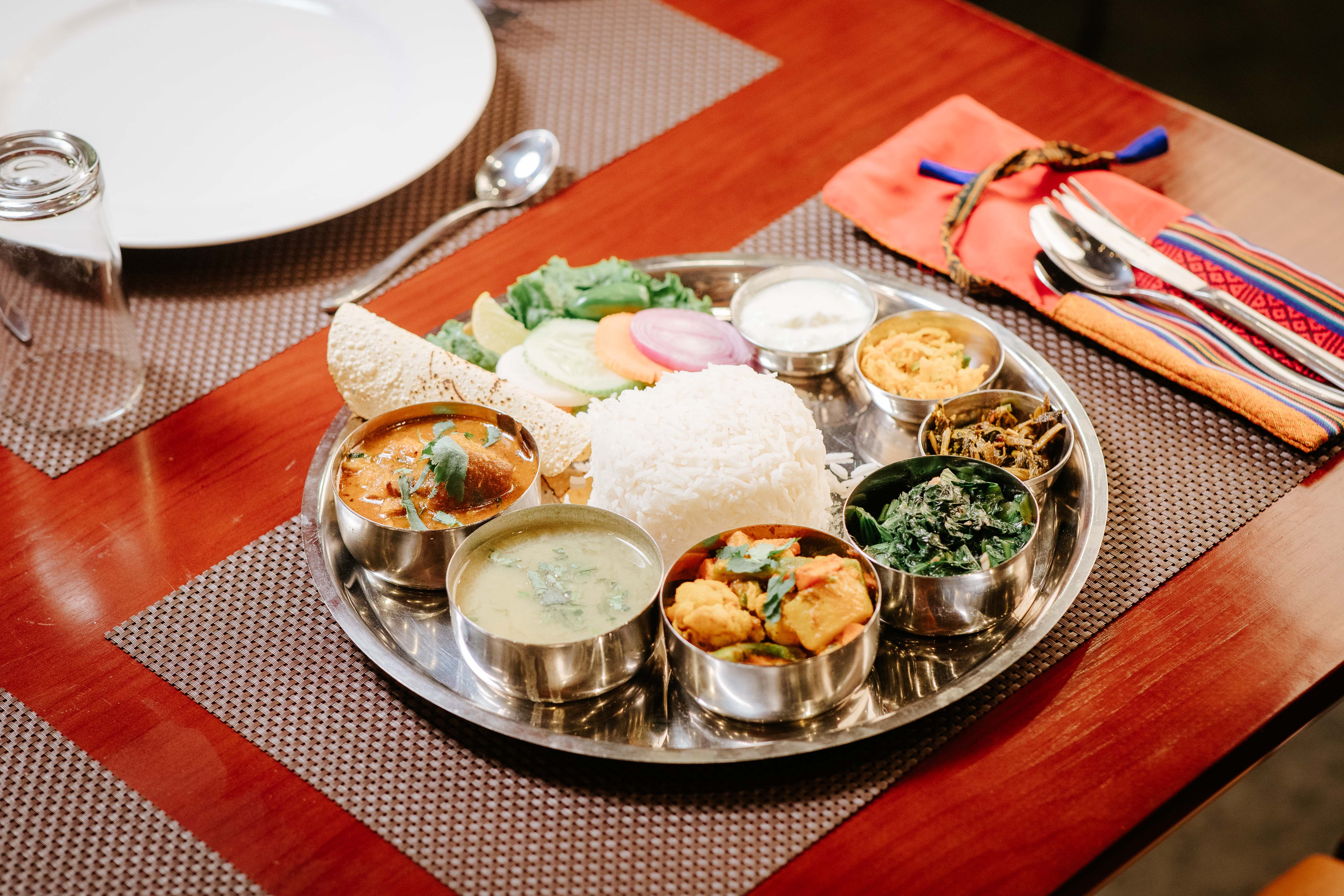
You can’t honestly know a city until you’ve tasted it. Kathmandu’s food tells its own story—one of spice, warmth, and heritage. Start your morning with a plate of bara and egg, savor juicy momos for lunch, and end your day with a comforting dal bhat that feels like home.

For street food lovers, the narrow lanes of Asan and Patan are full of life. The air carries the scent of chatpate, fried sweets, and sizzling snacks. And when you crave something slower, the cafés around Boudha offer peaceful corners where time seems to pause—you can sip tea, watch prayer flags dance in the breeze, and listen to the soft hum of life around the stupa.

After a day of exploring, returning to Atisha Hotel feels like stepping into balance. Inspired by the spirit of mindfulness, our space is calm yet connected—close to the rhythm of Boudha, but tucked away enough to let you unwind. From your window, you might hear the distant chanting of monks or see the golden stupa glowing beneath the evening sky.

Kathmandu is more than a destination; it’s a feeling that grows on you. This guide to Kathmandu reveals a city that moves at its own rhythm, where every street, smile, and sound tells a story of life lived fully in the moment. You might come searching for adventure or calm, but you’ll leave with a quiet sense of belonging that never really fades.

When you’re ready to rest and reflect, Atisha Hotel will be here—a space where the essence of Kathmandu unfolds in its calmest, most beautiful form, and every guest feels a little closer to home.


A Spiritual Journey: Visiting Monasteries and Retreat Centers Near Atisha Hotel

Monasteries and Retreat Centers

If you are staying at Atisha Hotel in Boudhanath, you are already in one of the most spiritual places in Nepal. Just step outside, and you will hear the sound of prayer wheels turning, monks chanting, and people walking peacefully around the great stupa.

Boudhanath is not only a UNESCO World Heritage Site—it is the heart of Tibetan Buddhism in Nepal. Around the stupa, there are many monasteries, nunneries, and retreat centers. Each one has its own story, its own traditions, and its own beauty.

This blog will guide you through some of the most important monasteries near Atisha Hotel. You will also find tips on visiting retreat centers, joining prayers, and experiencing the spiritual life of Boudha in a meaningful and straightforward way.

Why are monasteries around Boudha special?

The giant white stupa of Boudhanath is one of the largest in the world. For centuries, it has been a resting place for travelers, monks, and pilgrims. Today, it is still alive with prayer and devotion.

Today, the area is home to more than 50 monasteries, representing all the major schools of Tibetan Buddhism — Nyingma, Kagyu, Sakya, and Gelug. There are also nunneries and even a Bon monastery, showing the diversity of Himalayan spiritual life.

Every morning and evening, people walk around the stupa in a clockwise direction. This is called the kora or circumambulation. They spin prayer wheels, chant mantras, or silently walk with a calm mind. Joining the kora is one of the simplest ways to feel part of the local spiritual life.

And the best part? From Atisha Hotel, the stupa and surrounding monasteries are only a few steps away.

Major Monasteries Around Boudha

Shechen Monastery – Beauty in Every Detail

Shechen Monastery is just a short walk from the stupa. It was founded by Dilgo Khyentse Rinpoche, a great Tibetan master, in 1985. Today, it is one of the most beautiful and active monasteries in Boudha.

The walls are covered with colorful paintings that tell stories from Buddhist teachings. Inside the main hall, golden statues shine while monks chant their prayers every morning. Visitors are welcome to sit quietly and enjoy the peaceful atmosphere.

Shechen is also a place where Tibetan culture is kept alive. There are schools here for traditional arts like thangka painting, music, and dance. Many travelers enjoy visiting the small café in its courtyard, where monks and visitors sit together over tea and snacks.

Ka-Nying Shedrub Ling – The White Monastery

Close to the stupa, you will find Ka-Nying Shedrub Ling, also called the “White Monastery” because of its bright white walls. It was built in the 1970s by Tulku Urgyen Rinpoche. The combination Ka-Nying in the name refers to its affiliation with both the Kagyu and Nyingma schools. The meaning of Shedrub Ling is “a haven for practice and learning.”

When you enter, you will hear the sound of deep chanting, drums, and horns during pujas (ritual prayers). Sitting quietly during these ceremonies can be a moving experience.

This monastery is also home to the Rangjung Yeshe Institute, a center where people from around the world come to study Buddhism in both English and Tibetan. For visitors, this makes Ka-Nying feel like a bridge between tradition and modern life.

Kopan Monastery – A Hilltop Retreat

If you want to spend time in a calm and green environment, Kopan Monastery is perfect. It is located on a hill just a short drive or walk from Boudha. From the top, you get beautiful views of Kathmandu Valley.

Kopan is famous for its meditation courses. Many international visitors come here every year to learn about Buddhism and join retreats. Even if you are not joining a course, you can visit the monastery, walk around the gardens, and sit in silence.

Many travelers mention that their first real experience with meditation, or even a more profound sense of inner calm, began at Kopan. It’s not a place reserved only for monks—it opens its doors to anyone who wishes to explore spirituality or spend time in reflection.

Thrangu Tashi Yangtse Monastery – A Quiet Gem

Another beautiful spot to visit is Thrangu Tashi Yangtse Monastery, also known as Namo Buddha Monastery. While it may not have the size or fame of Shechen or Kopan, it carries its own special charm. Rooted in the Kagyu tradition of Tibetan Buddhism, the monastery radiates devotion and tranquility. Visitors often come here to attend teachings, take part in ceremonies, or enjoy the stillness of the surroundings.

This monastery feels more intimate, and spending time here gives you a closer look at daily monastic life.

Pullahari Monastery – A Place of Silence and Gardens

Not far from Kopan is Pullahari Monastery, a Kagyu monastery that feels like a hidden paradise. It has beautiful gardens, quiet courtyards, and a large prayer hall filled with golden statues.

Pullahari is less crowded than Kopan, making it a great place to sit in silence. The monastery often hosts retreats and Dharma teachings, but even a short visit can bring peace and clarity.

Triten Norbutse Monastery – The Bon Tradition

Not far from Boudha, on the slopes near Swayambhu, you will find Triten Norbutse Monastery. This monastery is special because it belongs to the Bon tradition, which is the ancient spiritual practice of Tibet before Buddhism.

Visiting Triten Norbutse gives you a chance to see a different side of Tibetan culture. The teachings and rituals are unique, yet they share the same focus on compassion and wisdom.

Hidden and Lesser-Known Monasteries

Besides the famous ones, there are many smaller monasteries and gompas around the stupa. These are often less visited by tourists but equally rich in devotion.

  • Dilyak Monastery – a Nyingma monastery with peaceful courtyards.
  • Samtenling Monastery – known for its rituals and Tibetan studies.
  • Palyul Monastery – follows the Palyul lineage of the Nyingma school.
  • Jamyang Choling Monastery – a respected center for study and practice.
  • Sechen Orgyen Chokhorling – connected with Shechen, but smaller and very welcoming.
  • Small Gompas around the Kora – as you walk the stupa, you will notice many small gompas tucked inside buildings and courtyards. Monks chant here daily, and locals stop by to light lamps or make offerings.

These places remind visitors that Boudha is not just about big monasteries but also about hidden gems that keep the spiritual life of the community alive.

Walking the Kora – A Simple Spiritual Journey Practice

One of the most potent experiences in Boudha is also the simplest: walking the kora around the stupa.

In the morning, the air is cool and filled with the smell of incense. Old Tibetans with prayer beads, monks in maroon robes, and visitors from around the world all walk together. In the evening, butter lamps are lit, and the stupa glows warmly against the night sky.

Strolling, turning the prayer wheels, and breathing deeply can feel like meditation in itself. For many, this becomes a daily practice while staying in Boudha.

Practical Tips for Visiting Monasteries Around Boudha

  • Dress modestly and always remove shoes before entering prayer halls, and remain quiet during ceremonies.
  • In most places, you are restricted from taking photos, so always ask for permission before capturing.
  • Visitors are usually welcome during prayers, but should sit quietly and avoid disrupting the practice.
  • Most monasteries accept donations, which support the monks’ education and upkeep of the monastery.
  • Early mornings and evenings are particularly atmospheric times to visit.

Retreat Centers

There are retreat centers around Boudhanath along with the monasteries. While the significant monasteries themselves often have retreat facilities, there are also dedicated centers where people stay for meditation, study, or short/long retreats.

Kopan Monastery Retreat Center

Kopan Monastery is one of the most popular retreat destinations for foreigners who want to learn and practice Tibetan Buddhism. The monastery offers structured meditation courses, including the famous ten-day introductory retreat, as well as longer programs for serious practitioners. Set on a peaceful hilltop overlooking the Kathmandu Valley, Kopan provides a quiet environment where visitors can combine spiritual learning with daily meditation.

Pullahari Retreat Center

Pullahari Retreat Center, belonging to the Karma Kagyu tradition, is another beautiful space for meditation and reflection. Perched on a hill with stunning views of the valley, the center hosts international students and practitioners who come for longer retreats, teachings, and mindfulness programs. It is known for its serene atmosphere, where visitors can focus on spiritual growth in a calm and supportive setting.

Nagi Gompa (Shivapuri area, near Boudha)

Nagi Gompa is a nunnery retreat center located in the Shivapuri forest, a little further from Boudhanath but highly respected for its spiritual significance. Surrounded by trees and natural silence, it is well known for its silent meditation retreats and the dedicated training of nuns. The peaceful forest environment makes it an ideal place for those seeking solitude and deeper practice away from the city.

Nunnery Retreat Houses (Khachoe Ghakyil Ling, Kopan Nunnery)

For women practitioners, retreat opportunities are also available at Khachoe Ghakyil Ling Nunnery and Kopan Nunnery. These nunneries offer short meditation stays and programs in a simple, supportive, and peaceful environment. They provide a chance to learn from the nuns, experience monastic life, and spend time in quiet reflection surrounded by a caring community.

Smaller Local Retreat Houses

In addition to the larger centers, there are smaller retreat houses scattered around the kora path of the Boudhanath Stupa. Many of these are used by monks and nuns for private practice, but some also welcome lay visitors who want to spend time in prayer and meditation. These smaller spaces may not be as well-known as the bigger centers, but they offer intimate and authentic experiences of Buddhist retreat life.

Final Thoughts

Visiting monasteries around Boudha is more than sightseeing—it is about connecting with a way of life built on peace, compassion, and mindfulness.

From the grand halls of Shechen and Ka-Nying to the quiet gardens of Kopan, from the smaller retreat centers to the simple act of walking the kora, each moment brings you closer to something more profound.

For guests at Atisha Hotel, this spiritual journey begins right outside the door. Step out, stroll, and let the monasteries and retreat centers of Boudha guide you inward.

A Day in the Life of a Guest at Atisha Hotel: Activities, Dining, and Relaxation

Some hotels give you a room. A bed. A place to drop your bags and sleep. Atisha Hotel offers something entirely different.

There’s a kind of quiet that exists in Boudha you won’t find in most areas. It’s not silence, exactly. It’s more like a softness, something in the way the light moves, the way people stroll around the stupa, the way sound feels lighter here. You don’t rush in Boudha. You don’t have to.

Atisha Hotel is tucked away in Boudha, just a short distance from the magnificent Bouddhanath Stupa. You could walk right past it if you weren’t looking, but once you step through the hotel gate, the whole energy changes. Here’s what a Guest at Atisha Hotel has to say about what a full day staying at Atisha feels like, from landing in Kathmandu to falling asleep under the Boudha sky.

Your Arrival: A Warm Welcome

Kathmandu city may be overwhelming, and we are aware of how intense, vibrant, packed, and energetic the town may feel. We offer an airport pick-up service. As soon as you walk out of the airport, you will see our representative holding a name card and a smile. He will welcome you at the airport and drive you to the Atisha Hotel.

Along the way, you may witness the bustling city with the crowded vehicles and noise, but as you enter the lane to the hotel, you will feel the energy shift. Upon entering the Bouddhanath Stupa area, the Atisha Hotel is located near the stupa. Once you are at the Atisha Hotel, it’s like the noise of the city gets left behind at the door.

Check-In: No Desk Drama, just a Warm Welcome

Atisha Hotel keeps check-ins simple and personal. You will be greeted with ‘Namaste’ at the door, and upon arrival at the hotel’s reception, you will be asked a couple of questions for identity verification. We will then hand over the key to you. It’s that simple.

Your Room: Clean, Quiet, and Uncluttered

Our rooms are quiet, calming spaces designed to help you feel at ease — whether you’re arriving after a long journey or returning from a day of reflection and discovery.

Each one offers a firm, comfortable bed for restful sleep, a hot shower with good water pressure to refresh you, and fast Wi-Fi if you need to connect. A kettle and tea are there for slow moments, along with clean drinking water, fresh towels, and daily housekeeping to keep things feeling light and cared for.

Natural light fills the room, and the windows open to peaceful views — a gentle reminder of the stillness that surrounds you at Atisha.

You’ll hear the distant hum of monks chanting, the flutter of pigeons circling the stupa, or sometimes, nothing at all.

Morning: Quiet Before the Day Begins

Boudha has its way of waking up.

You don’t hear traffic. You hear the flutter of pigeons circling the stupa, the low hum of chants from the nearby monasteries, and the footsteps of people making their morning kora (circumambulation) around the Stupa.

When you make your way downstairs, the buffet breakfast area is already welcoming—nothing fancy—just real, nourishing food and a variety of options to suit every taste. It’s the perfect way to fuel your morning.

Daylight Moments: Wander, Wonder, or Rest

Once you’ve had your breakfast, the day stretches out ahead of you—and it’s yours to shape.

A 5-minute walk takes you right to the Bouddhanath Stupa. Even if you’ve been before, it somehow feels new every time. You make the kora (circumambulation) with monks, spin the prayer wheels, light a butter lamp, and sit in a corner with a tea and just watch the amazing view.

If you’re feeling curious, the Atisha team can help arrange day trips to:

  • Kopan Monastery for a quiet garden walk or meditation class
  • Pashupatinath, where Hindu rituals unfold along the riverside
  • A nearby Thangka painting school, where artists still hand-paint sacred art using ancient techniques

But the beauty of staying here is that doing nothing feels just as meaningful. You could spend the day in the courtyard with a book. Or journal on the rooftop. Or take a nap in your room with the windows open and the sounds of Boudha drifting in.

Lunch: Clean, Comforting, Authentic Food

By noon, your appetite returns. And there’s no need to leave the hotel to satisfy.

Atisha’s kitchen keeps the menu simple, but everything tastes fresh and clean. The kind of food that feels good in your stomach hours later.

A typical lunch might be:

  • A bowl of thukpa (Tibetan noodle soup)
  • Stir-fried vegetables with rice
  • A plate of dal bhat (lentil soup with rice and veggies)
  • Or even familiar comfort food like pasta or fried rice

Afternoon

The afternoon light in Boudha feels like a meditation in itself. You might return from a visit to a local monastery or wander the alleys behind the stupa, or take a long rest on the rooftop.

If you’re the kind of traveler who enjoys a good nap, this is where it hits differently. The hotel is quiet. The beds are soft. And your body sinks into sleep without guilt.

Evening on the Rooftop

As the sun starts to drop, the rooftop becomes the best seat in the house.

The golden light catches the curve of the stupa dome, warm and soft as the evening settles in. A quiet hum of prayers begins to rise in the background — steady, grounding. You take a slow sip, maybe from a hot cup of tea or a chilled beer, and let your mind drift without direction.

The rooftop isn’t just a place to look out from. It has a way of settling into you. There’s a stillness up there that doesn’t ask anything of you. It simply reminds you — not every moment needs to be filled. Some are better left untouched. Some are just meant to be lived, quietly.

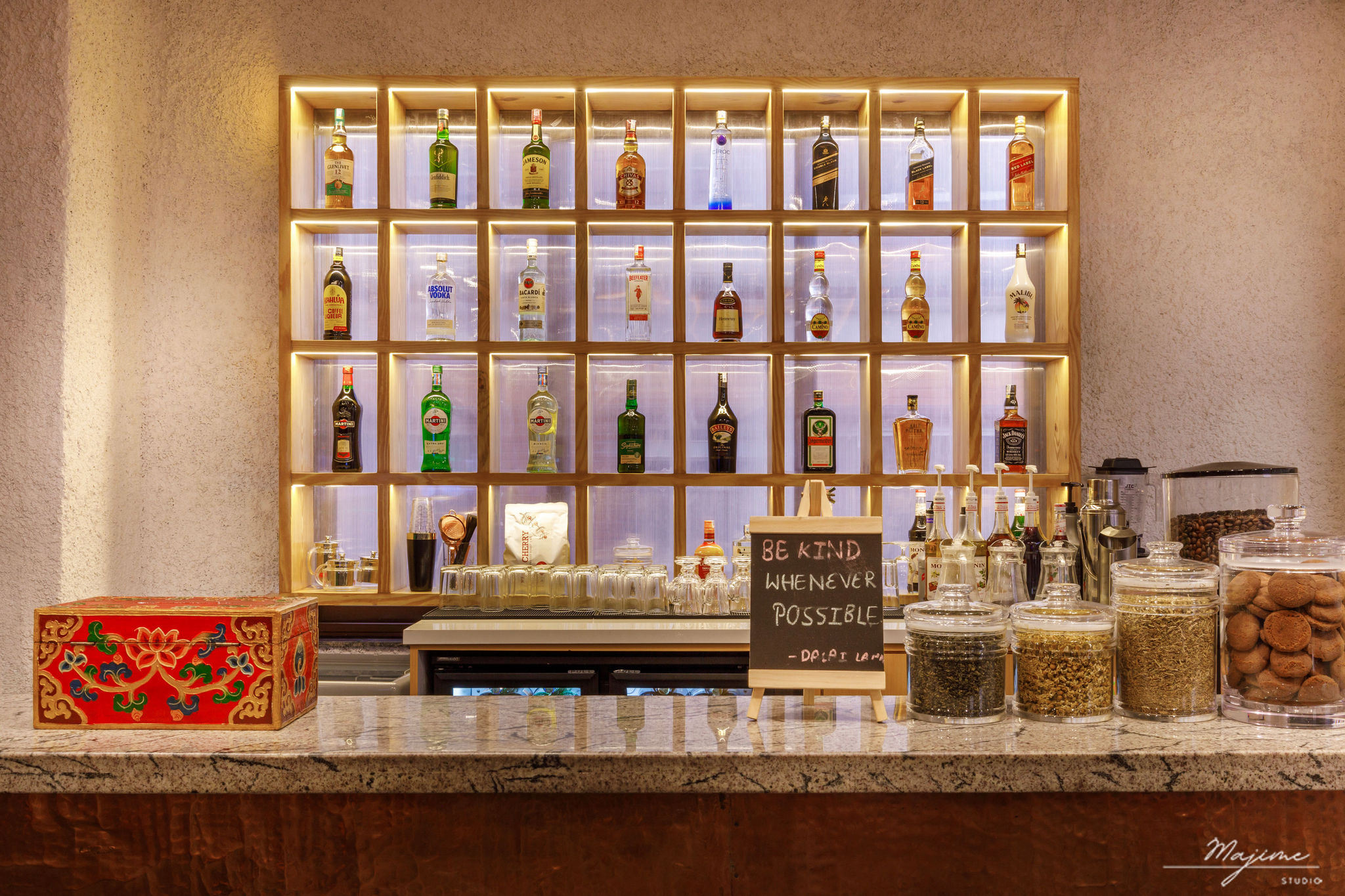
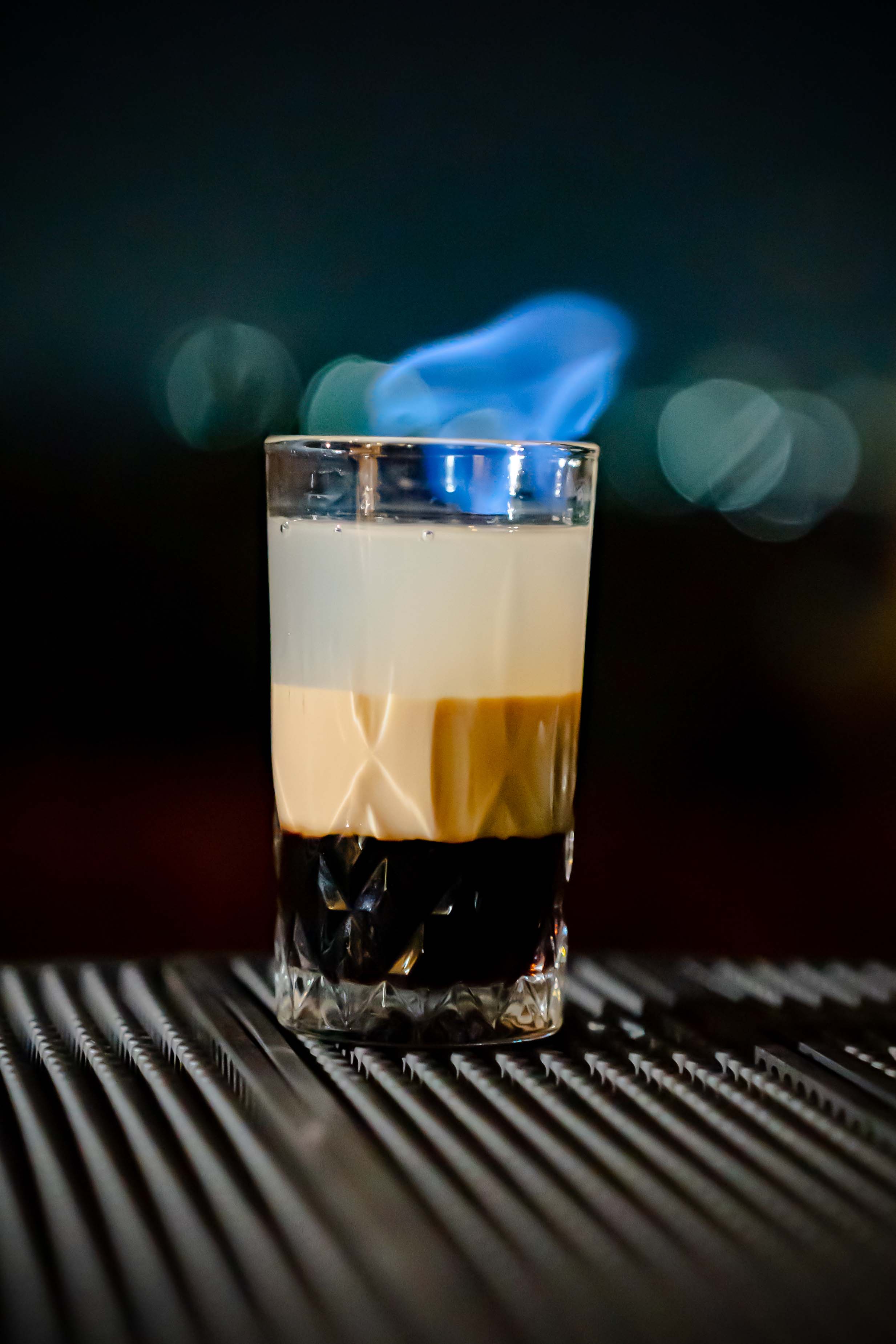
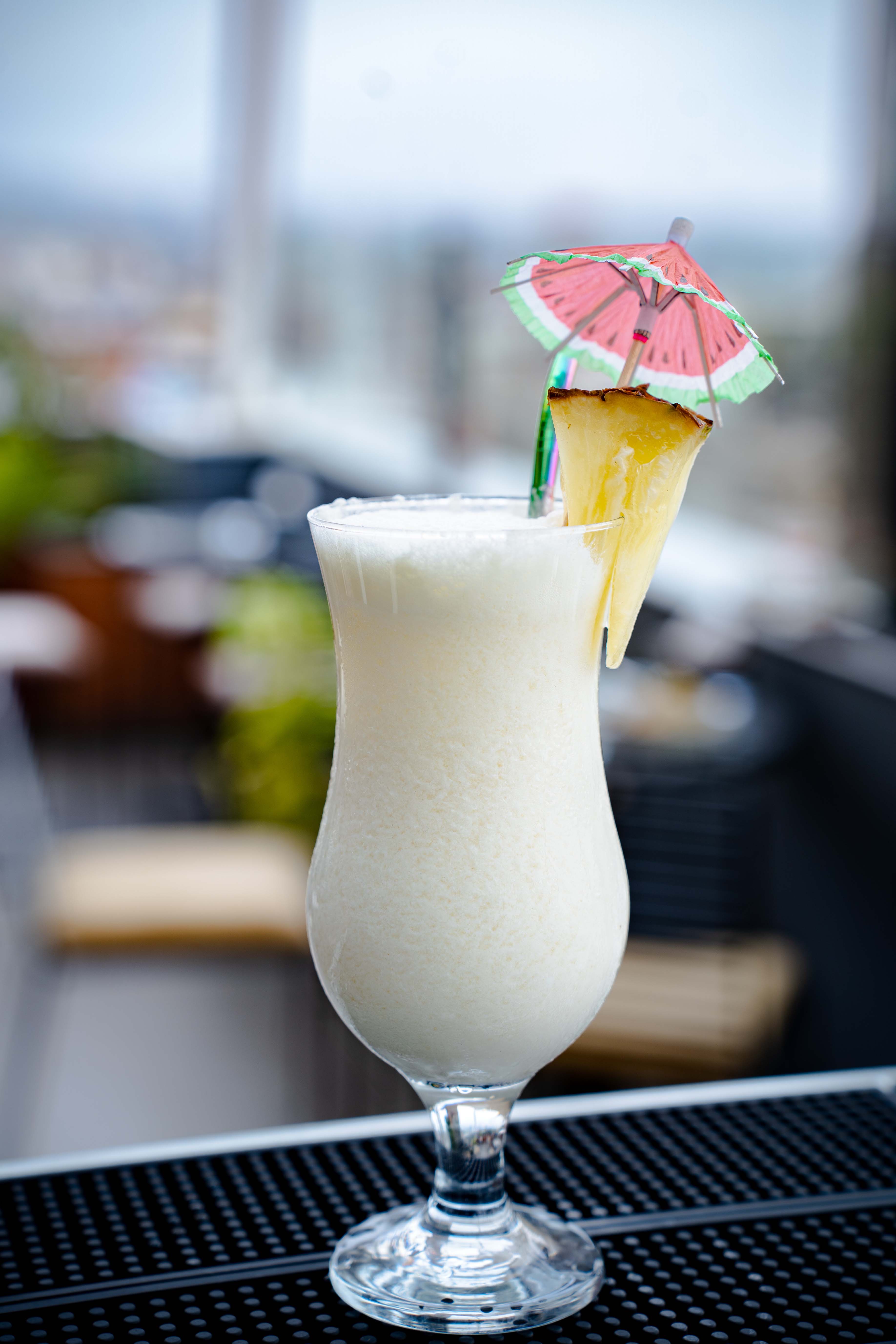
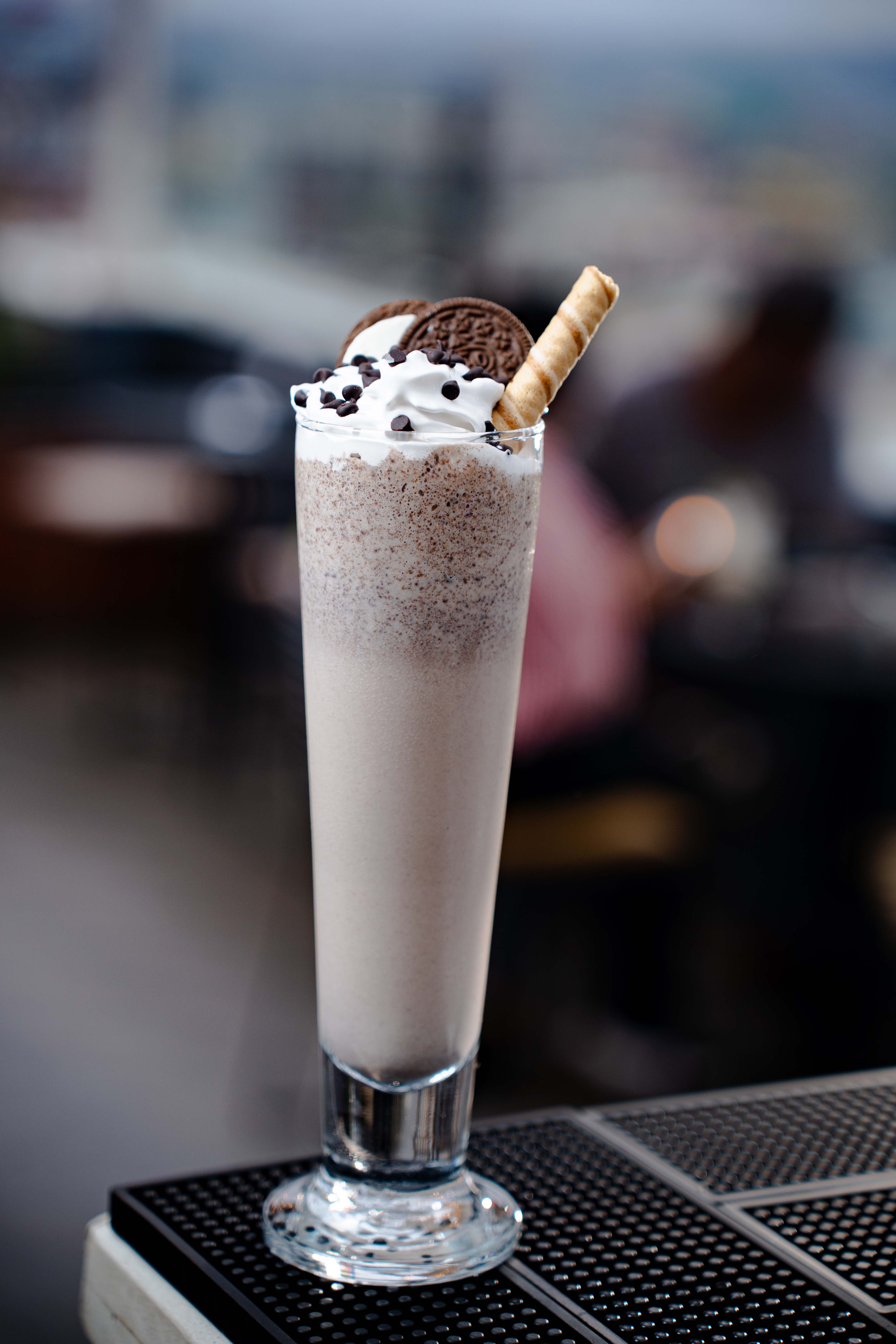
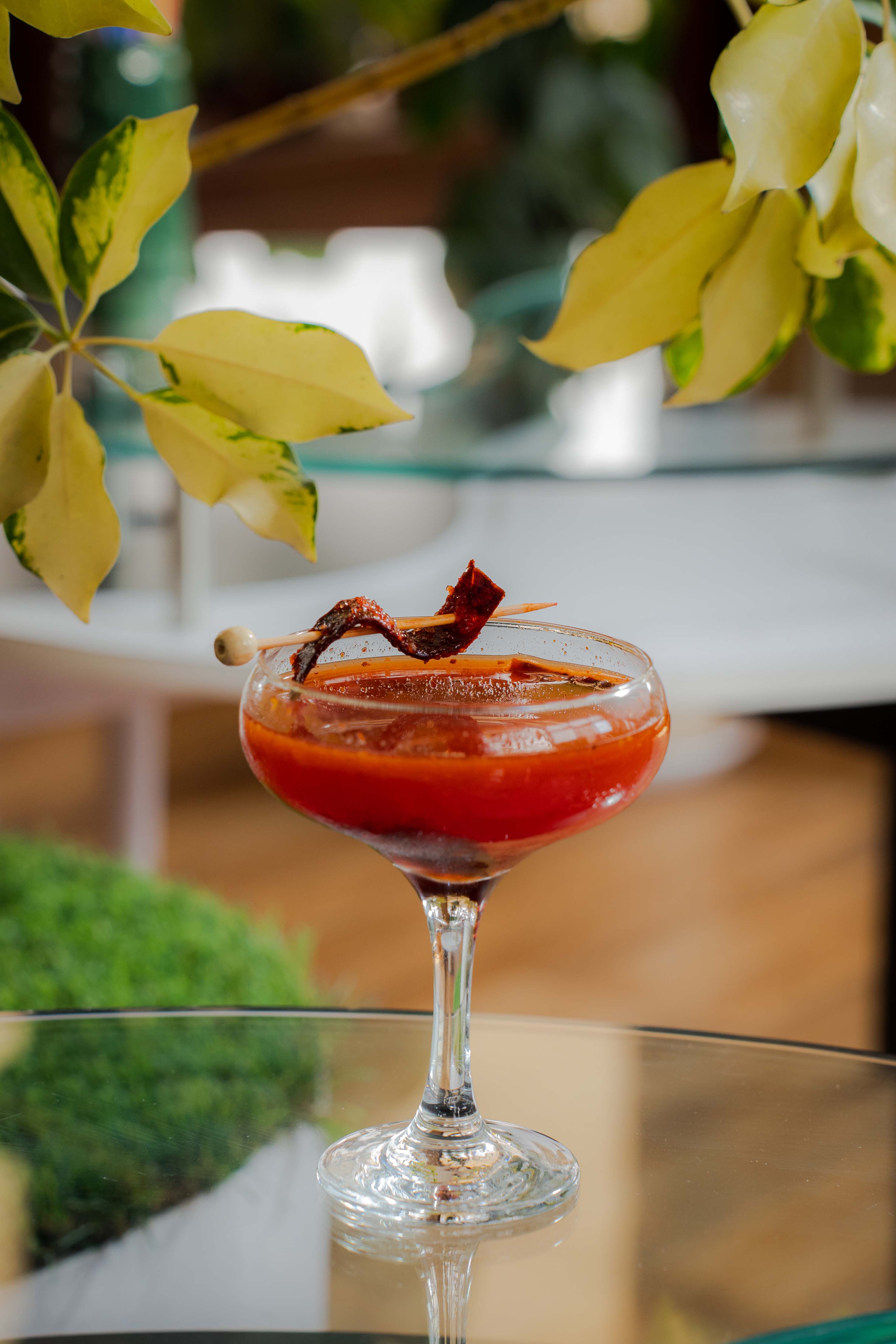
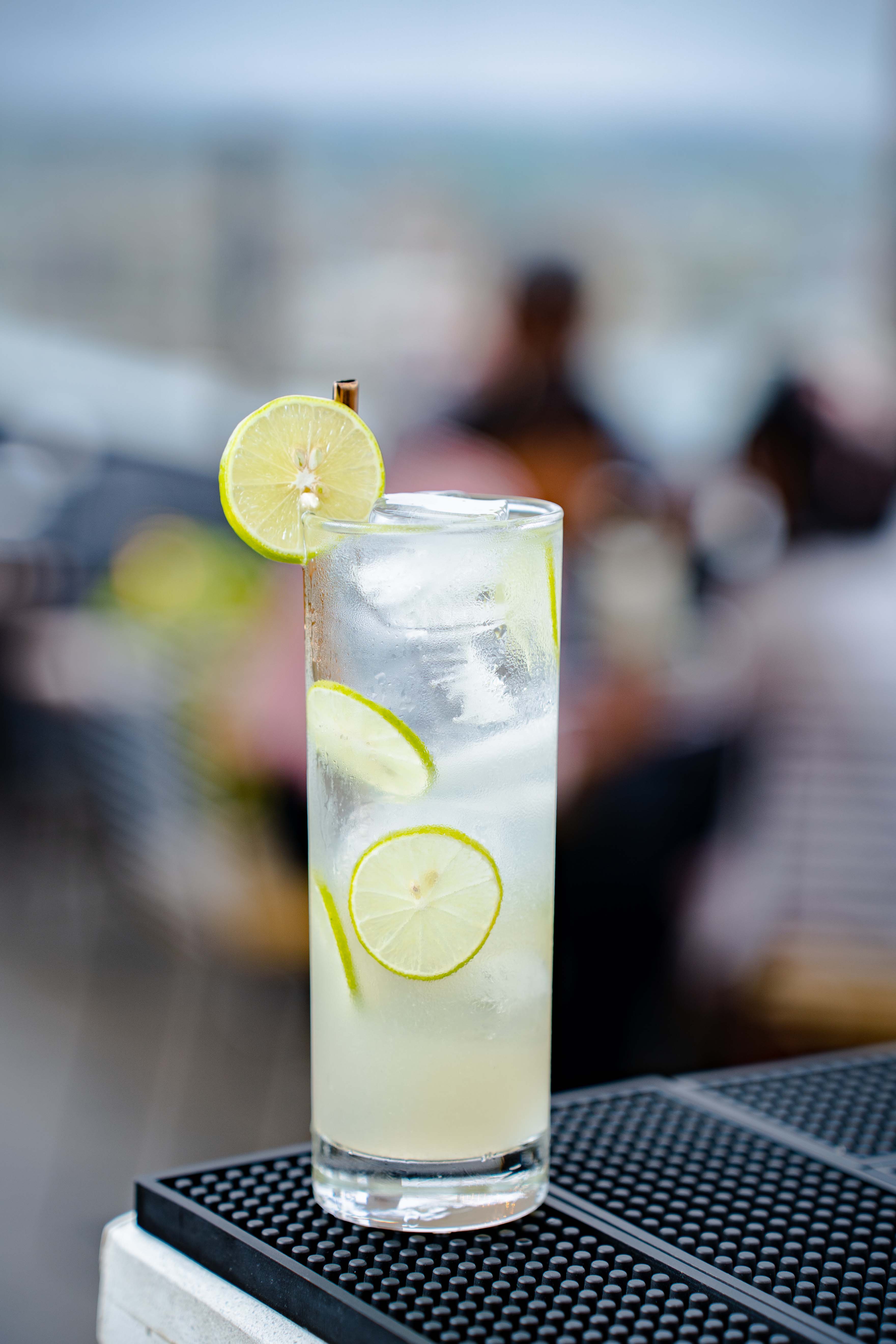
Most importantly, you will find our rooftop bar, the Tipsy Yak. Tipsy Yak Bar is the perfect spot to unwind. Enjoy handcrafted cocktails, local brews, or your favorite drink.

Dinner: Comfort in Every Bite

Dinner here follows the rhythm of the day. You might order a plate of momos with dipping sauce or a warm curry. Whatever you choose, it’s cooked with care and served without fuss. You eat in peace and end your meal with a warm tea or dessert if you feel like it.

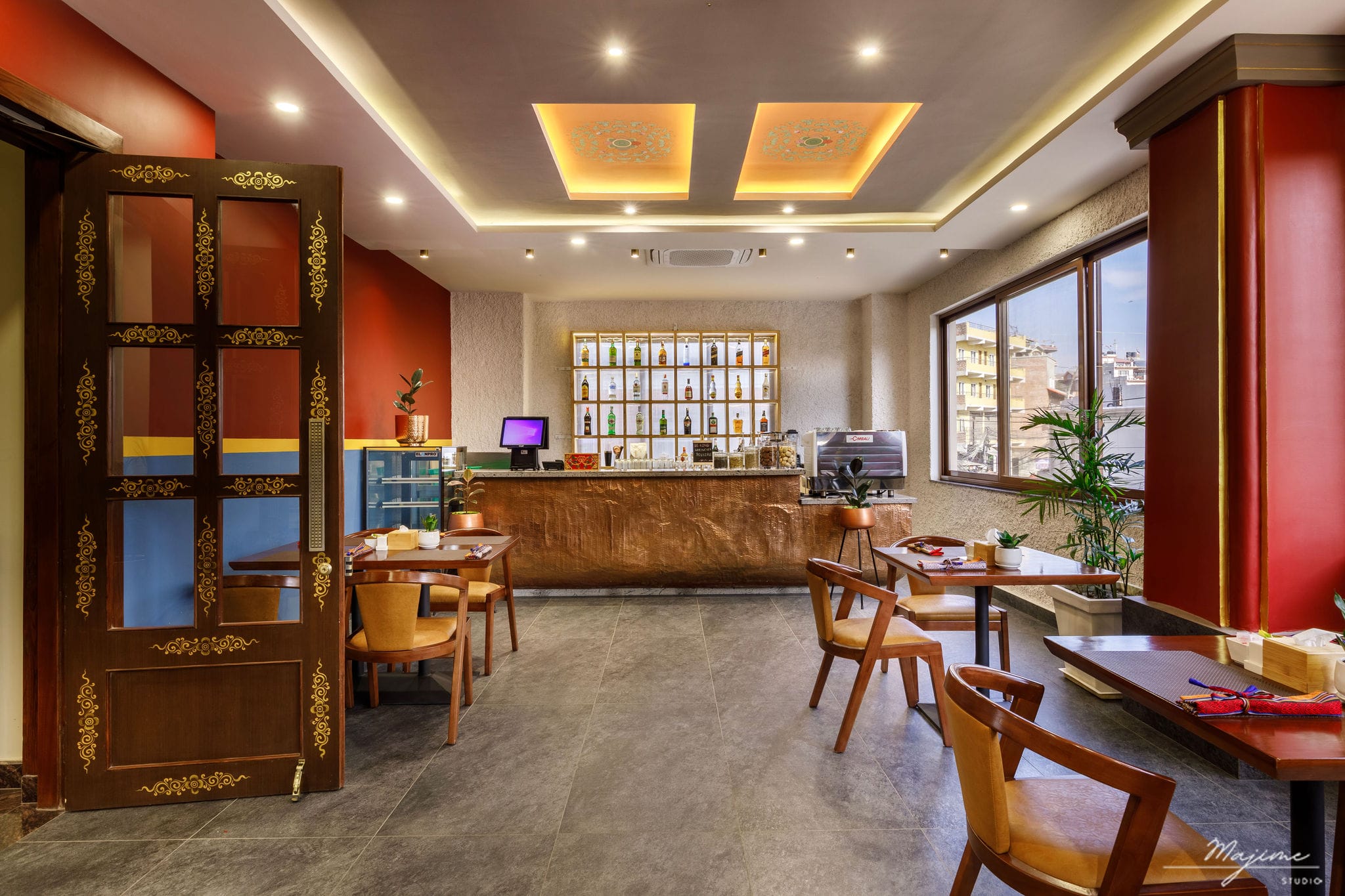
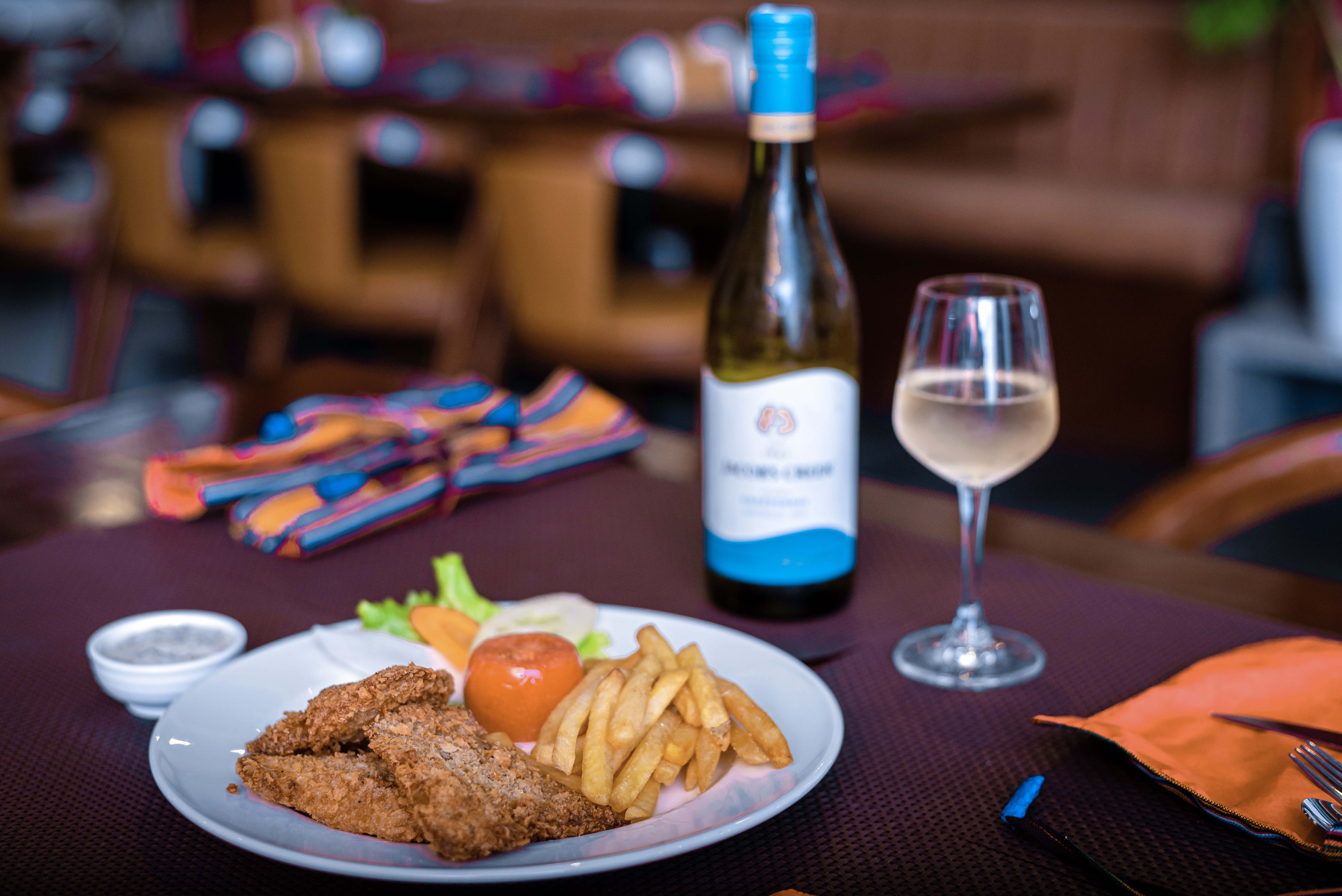
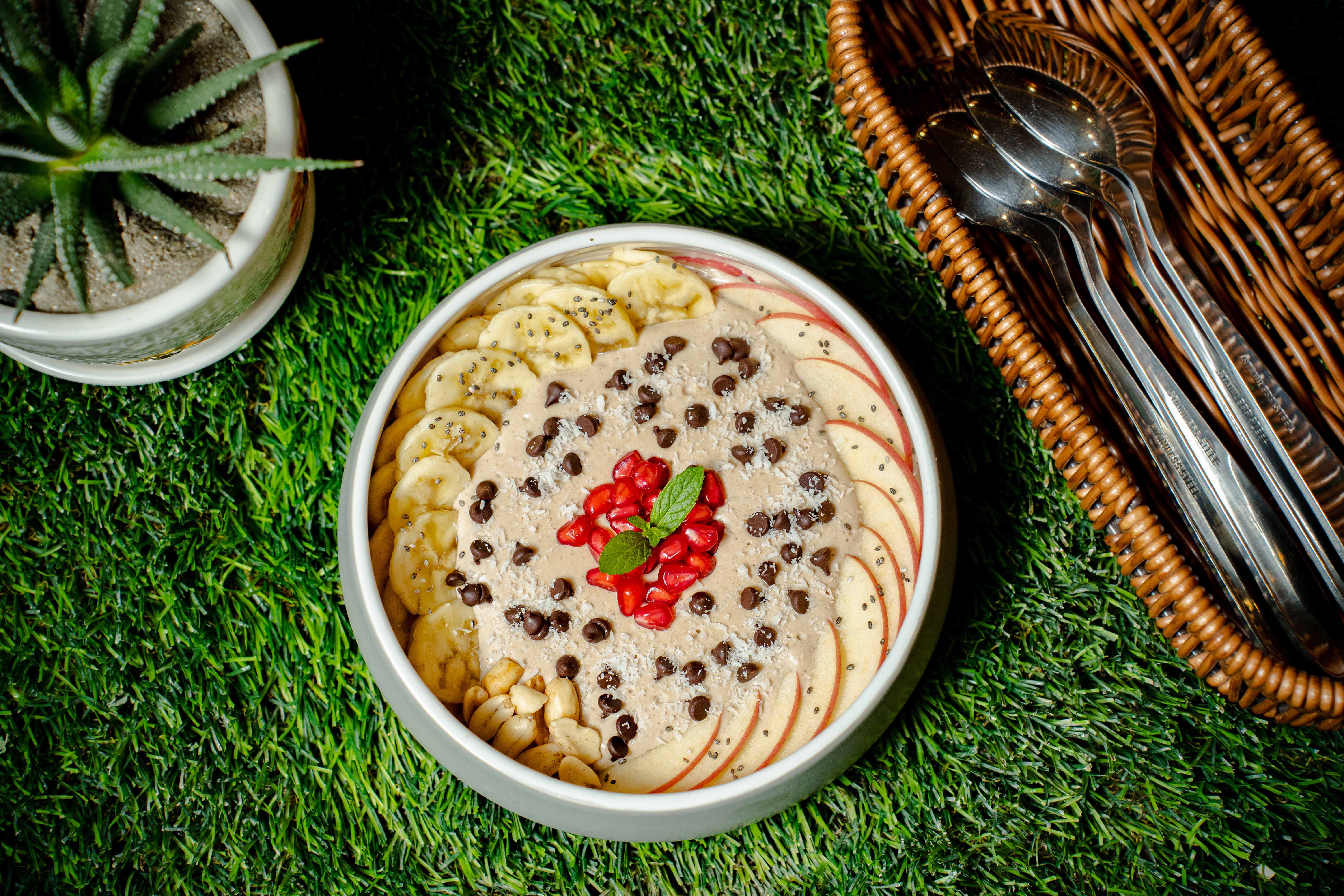
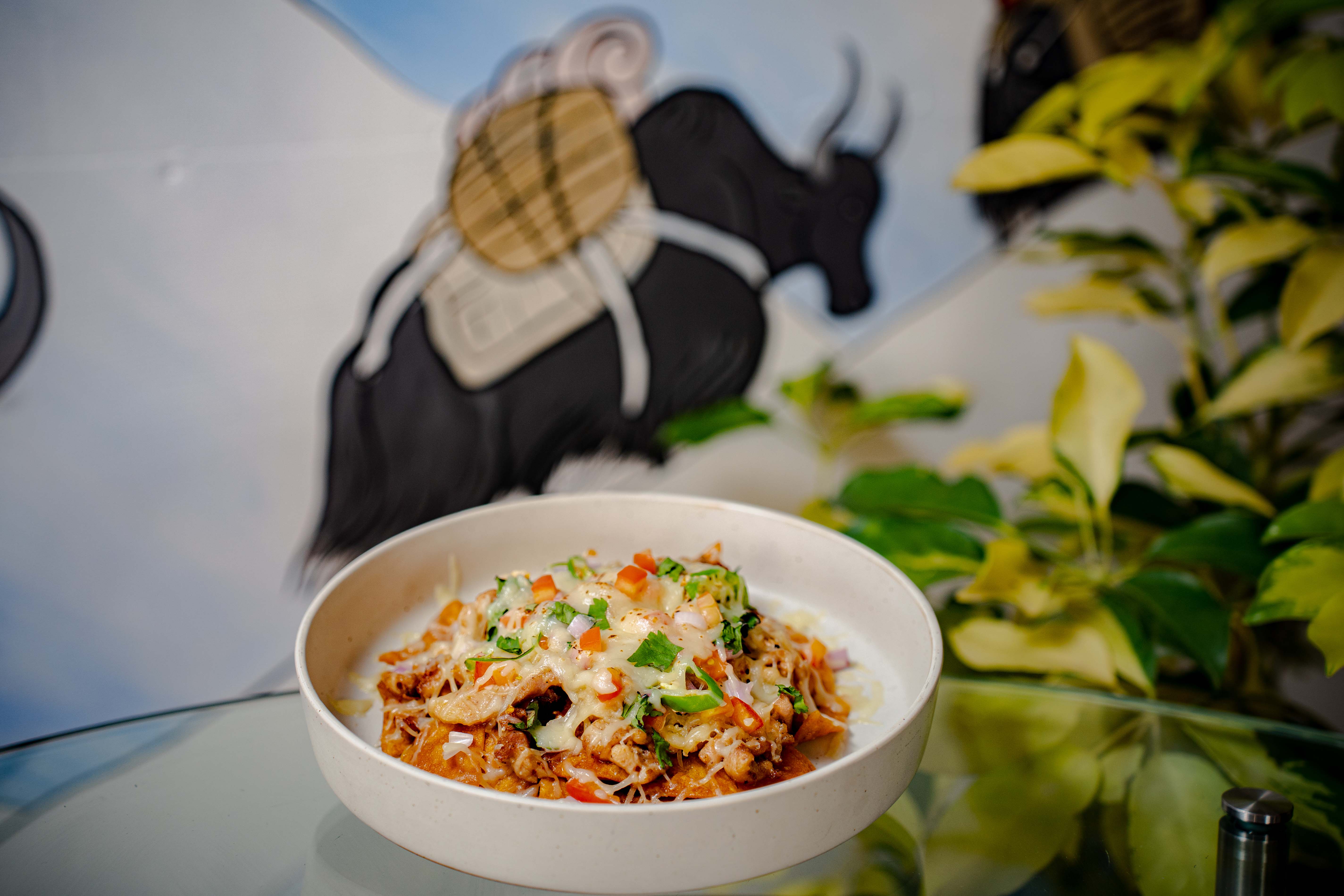
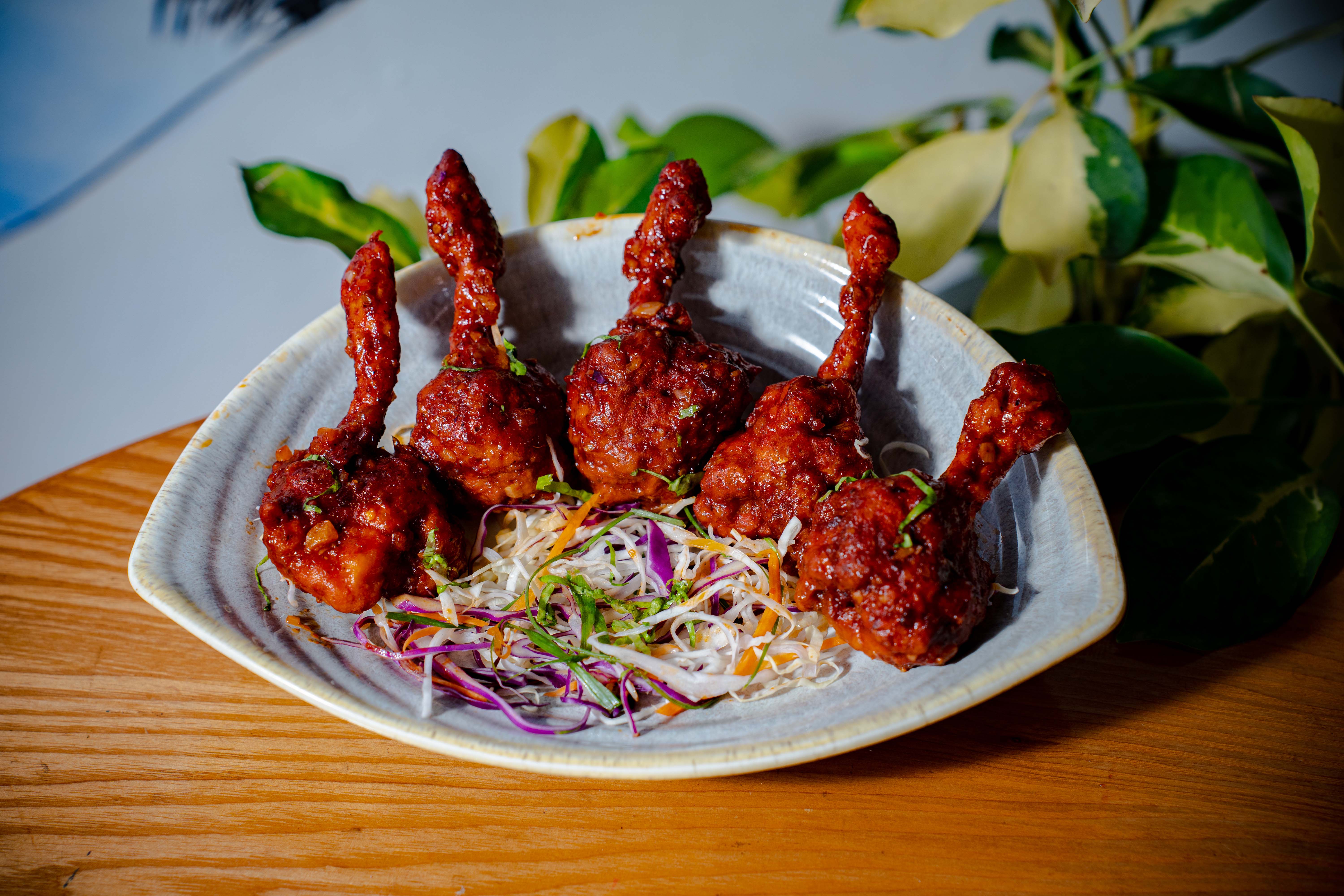
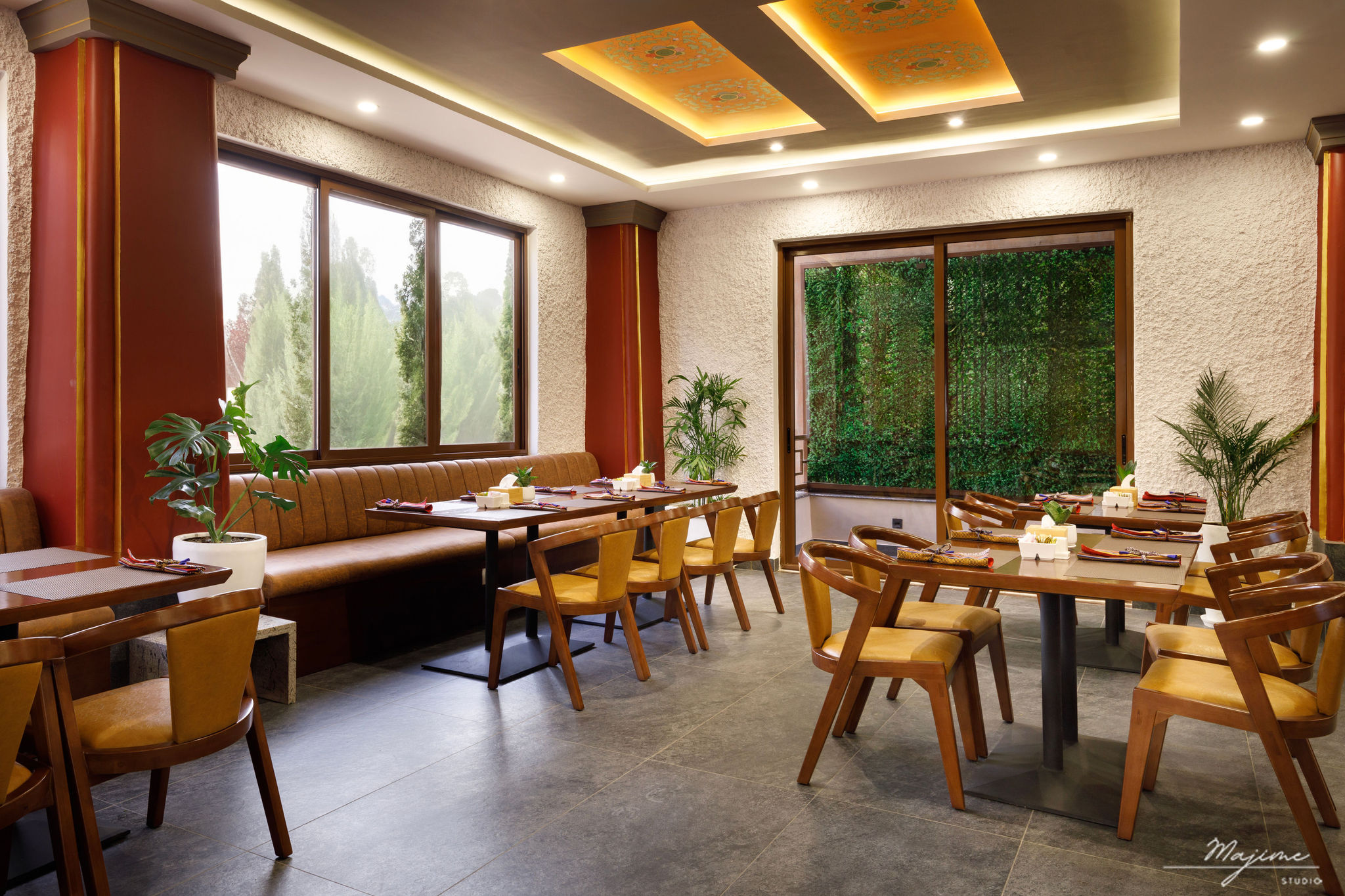
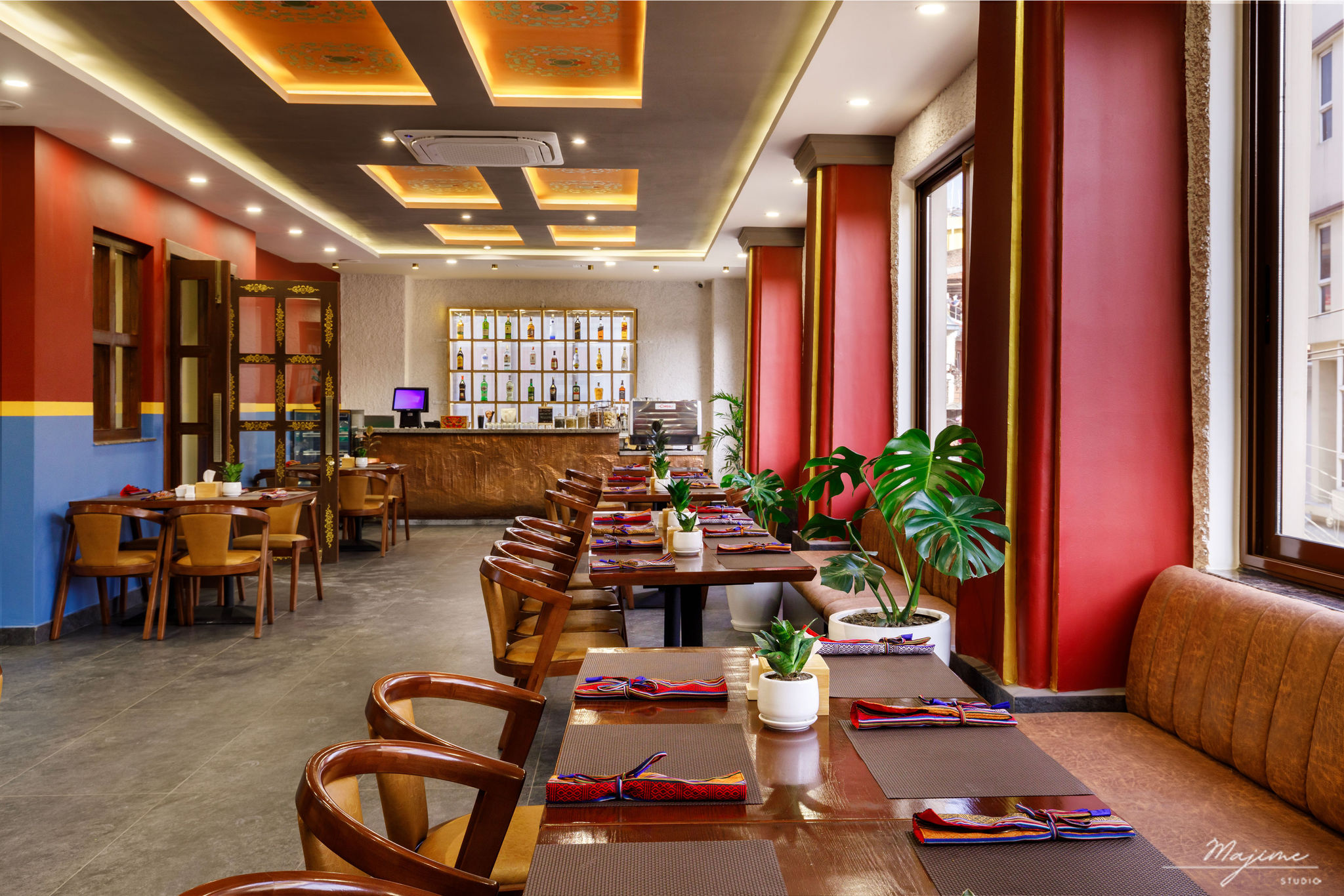
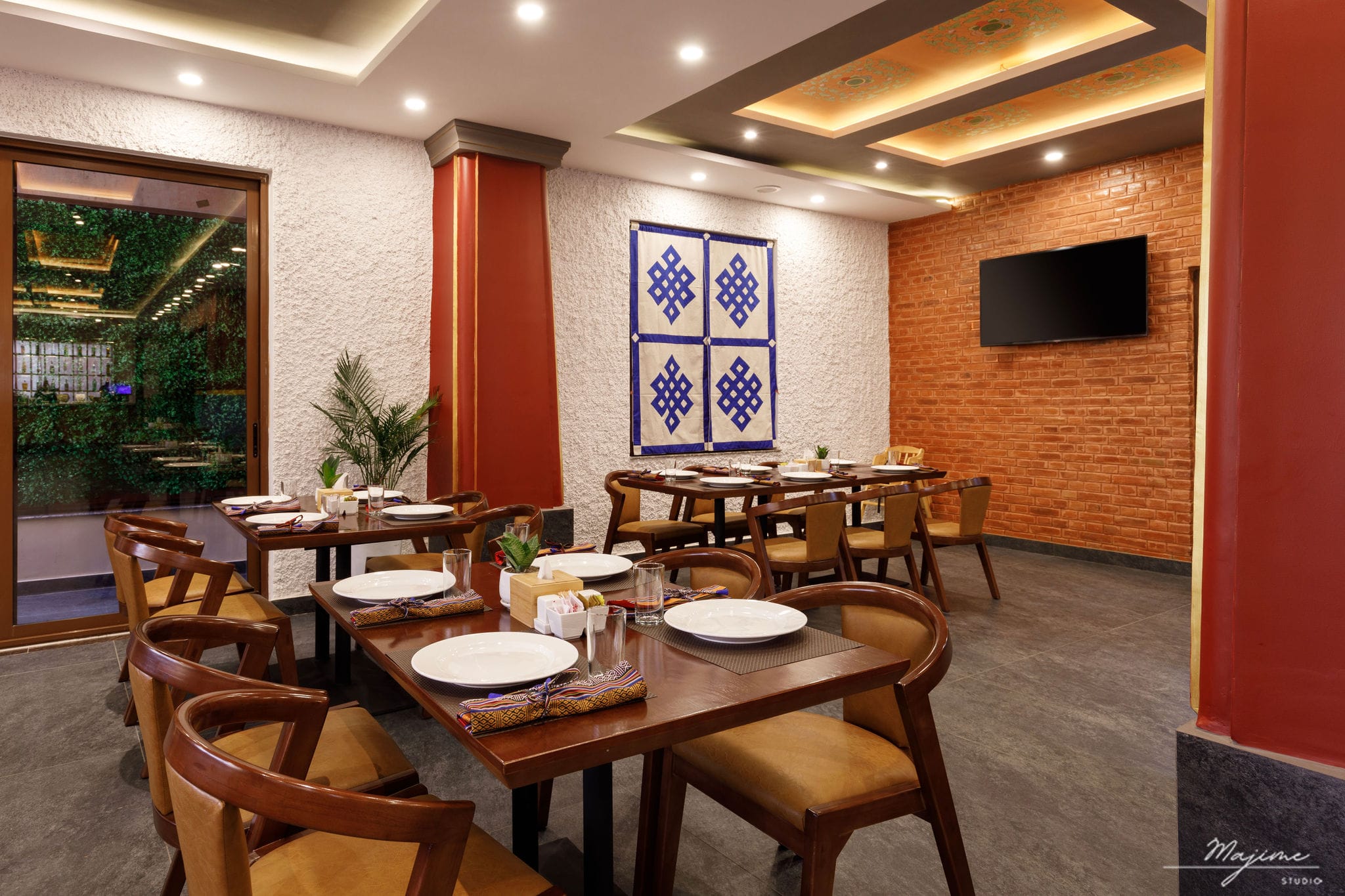
For your dining needs and cravings, we have Duetse Kitchen, Atisha’s in-house restaurant. At Duetse Kitchen, we serve up authentic, flavorful dishes that celebrate local ingredients and traditional recipes with a modern touch. Whether you’re craving comforting classics or new tastes, every meal is prepared with care to satisfy and delight.

Night: The City Sleeps, and So Do You

Boudha at night is quiet, just as sacred places often are. People move slowly. Shops close early. The stupa glows under a black sky.

Back in your room, you draw the curtains, wash up, maybe write down a thought or two from the day. You brew one last cup of tea, turn off the light, and settle into bed.

What Stays with You

You might forget the exact color of the walls or what you ordered for lunch. But you’ll remember how Atisha made you feel.

It’s more than just a place to stay — it’s a place to pause, to breathe. From the quiet warmth of a greeting at the desk to the soft trace of incense drifting through the courtyard, from the kindness in a staff member’s smile to the stillness of the stupa nearby — everything here gently invites you to slow down and be present.

This is the reason why you should choose and recommend Atisha Hotel.


Local Cuisine: A Guide to Culinary Exploration Near Atisha Hotel

Boudha isn’t just one of Kathmandu’s most peaceful and spiritual spots, but also a hotspot for the best food in the town. With the mighty Boudhanath Stupa at its heart, the area is alive with a blend of cultures, traditions, and flavors, plus culinary exploration that reflects both the local Tibetan heritage and an international mix of travelers and residents.

When people think of Boudha, they usually picture peaceful mornings, spinning prayer wheels, and the soft sound of monastery bells. And yes, that’s part of it. Boudha has this unique mix of Tibetan, Nepali, Indian, and international flavors—all packed into a small, walkable neighborhood.

If you’re staying at Atisha Hotel, you’re in for a treat—not only because of its proximity to the stupa and monasteries but also because of the diverse range of restaurants, cafés, and eateries all around.

Whether you’re starting your day with a quiet coffee, grabbing a quick bowl of noodles, or sitting down for dinner with a stunning view, everything is just a short walk away when you’re staying at Atisha Hotel. No fuss, no long rides—just good food, good energy, and plenty of flavors to discover at your own pace.

Culinary Exploration Near Atisha Hotel

What’s for lunch? Or dinner? Or even just a mid-day coffee break? In Boudha, you’ve got options—from spicy noodles and soft momos to sushi rolls and fresh espresso. Here’s a list of some great restaurants around Atisha Hotel, each bringing something different to the table.

Coffee First? Go Straight to Himalayan Java

If you’re a coffee person and can’t properly function without your morning coffee, you’ll want to head to Himalayan Java Café. It’s just a few minutes’ walk from the Atisha Hotel. The vibe is chill, the staff are friendly, and the coffee is consistently good.

They roast their beans, sourced from different regions of Nepal. You’ll find all the regulars on the menu—lattes, cappuccinos, espressos, iced versions—but it’s the setting that makes it special. The upstairs seating has one of the best views of the stupa, especially early in the morning before the crowds arrive.

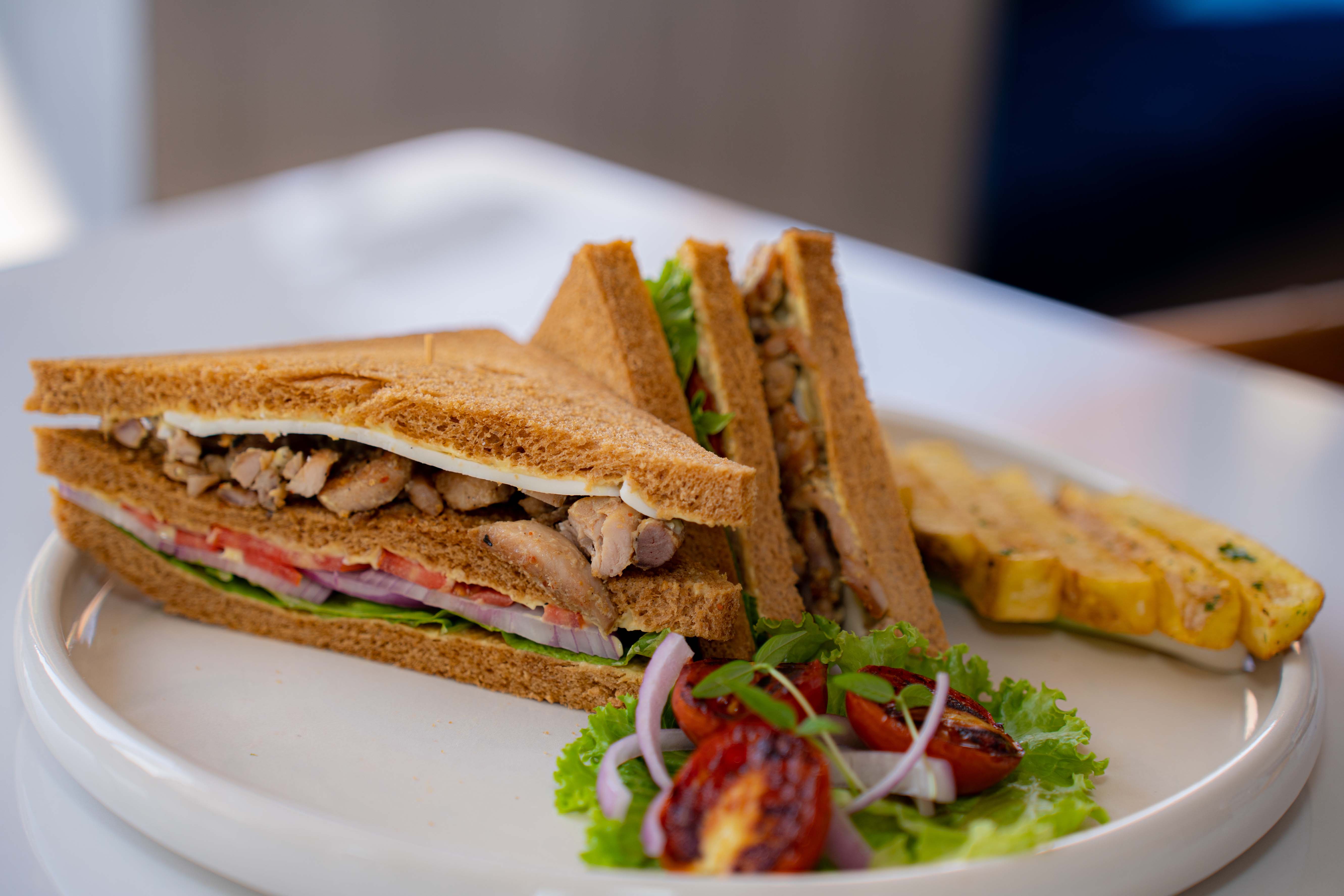
It’s also a nice place to sit and get some work done or write your thoughts and reflections on your travels. If you’re hungry, they also serve decent sandwiches and pastries.

In the Mood for Pizza? Try Roadhouse Café

Now, you might not come to Nepal expecting to eat pizza, but Roadhouse Café might change your mind. It’s tucked into a quiet lane, and once you’re inside, you will experience the cozy European-style bistro.

They serve wood-fired thin-crust pizza, and it’s good—crispy base, generous toppings, and fresh ingredients. The classic Margherita is always a good choice, but if you like a bit of spice, you can try the spicy salami.

Besides pizzas, they also have pastas, salads, and a few desserts that are perfect for a full sit-down meal. It’s a great spot to take a break from local traditional foods, especially if you’ve been in Nepal a while and want something a bit more familiar.

Hidden Chinese Gem: Kunga Restaurant

Kunga Restaurant is a great spot to enjoy good Chinese food. The fried noodles are always tasty, the dumplings are juicy, and their hot-and-sour soup is precisely what you want on a more fabulous day.

If you’re in the area around the Bouddha, you should visit this restaurant. It’s the kind of place where you get served quickly, eat well, and leave full without spending much. And sometimes, that’s all you need.

For Local Flavor: Tibetan Food at Duetse Kitchen

When you’re in Boudha, be sure to try the local Tibetan cuisine, as this is an integral part of daily life here that offers a genuine taste of the local culture. One of the best spots around is Duetse Kitchen, an ideal setting for family feasts, formal lunch meetings, and other special occasions.

They make some of the best momos (Tibetan dumplings) and thukpa (noodle soup). The momos are available as perfectly steamed, stuffed with either meat or veggies, and served with a spicy homemade sauce that locals swear by. Along with momos and thukpa, you will also find a variety of quick snacks, including sandwiches, pizza, burgers, and more.

Here, you may often see monks, students, and locals stopping in for a quick, satisfying meal. If you’ve never tried Tibetan bread or butter tea, this is the place to do it.

Find the Duetse Kitchen Food & Drinks Menu👉Click Here👈

Craving for Japanese food? Sakura, the best choice

If you’re in Boudha and craving something different, Sakura Japanese Restaurant & Café is a great little spot to check out. It is situated near the stupa and has a relaxed, quiet atmosphere that is perfect for unwinding and taking in the view. The food? Super fresh. They serve all the good stuff—sushi rolls, salmon, tempura, sukiyaki, and cutlets—everything comes out looking great, and you can tell they put care into how it’s made.

Not sure what to order? The staff there are incredibly friendly and always ready to help you navigate the menu, especially if it’s your first time trying Japanese cuisine.

You’ll feel at ease here. The arrangement of the space is cozy with wooden tables and dim lighting that provides an atmosphere well-suited to the spiritual energy of Boudha. Additionally, the view of the Bouddhanath Stupa from the restaurant is fantastic. You will be in awe and can also get excellent photographs with your camera.

Conclusion

If you’re staying at Atisha Hotel, you’re in the perfect spot to enjoy it all. Start your day with a strong coffee and a view of the stupa. Wander through quiet lanes, stop for a bite when you’re hungry, and end the evening with something comforting—maybe dumplings, maybe pasta, perhaps something new.

The thing about eating in Boudha is that you don’t need a plan. Some of the best meals you’ll have are the ones you find by chance. Just follow your nose, trust your cravings, and let the neighborhood guide you.

Celebrating a Birthday and other occasion at Atisha Hotel

Celebrations are the happiest moments for anyone, and each person wants the celebrations to be as they have imagined. It does not matter how much you spend on the party or any other occasions, what matters is how well that particular celebration has been organized and the environment around it.

Speaking of organizing an event and the environment around the event spot, Atisha Hotel has continued providing its best service for any celebration, whether birthdays, bachelorette parties, anniversary celebrations, promotion parties, and more. This hotel is situated in a prime location that is easily accessible by public transport, offering a peaceful environment with high-standard services, spacious rooms, dining options, bars, and more.

Yes! You heard it right. They have the unique and best dining and bar service in the area. They have Fine Dining on the 1st floor, Duetse Kitchen, and a Rooftop Bar on the 6th floor, The Tipsy Yak. We will explore these two options further in this article, so you can easily choose the location for your next celebration.

However, before we discuss the dining and bars, let’s learn more about the Atisha Hotel, which makes this place the perfect choice for celebrations.

What if you are planning a stay-cation after the celebration or have invited out-of-town guests and need a place for them to stay?

Most celebration spots have the problem of being just party venues, and you have to arrange your staycation somewhere else. But this won’t be a problem if you stay at the Atisha Hotel. Atisha Hotel offers spacious rooms with modern amenities, ensuring your guests will be delighted with the comfort and luxury of their accommodations. The rooms feature luxurious bedding, en-suite bathrooms, air conditioning, and additional amenities. Now you and your guest can enjoy it fully without worrying about reaching another spot for the staycations.

Besides these staycations, there’s more to explore; you will love it when you read about it, but when you experience it in real life, you will be amazed by the vibe and environment of Atisha Hotel.

What if you booked a venue and got frustrated by the atmosphere and the looks?

Yes! Such a situation could be very embarrassing, and no one has to face it. So, Atisha Hotel has smartly and beautifully designed the building that whoever enters falls love with the environment.

Atisha Hotel is not a hotel; it is a masterpiece designed with an ambience and aesthetic feel. The interiors combine warm colors and contemporary style, creating a pleasant, inviting, and photogenic atmosphere.

You and your guests will get perfect spots to capture the moments. Every section of Atisha is photo-worthy, from soft lighting and chic décor to carefully designed outdoor spaces, ensuring your celebration is unforgettable and flawless.

Now, let’s explore the dining and bar, which play a vital role in the celebrations. You will be amazed once you get the idea of the dining and bar, and the menus that Atisha Hotel serves you with, they are royal and delicious.

Dining and Bar at Atisha Hotel

Duetse Kitchen – Fine Dining

The first floor of the Atisha Hotel is dedicated to fine dining, making it an ideal setting for family feasts, formal lunch meetings, and other special occasions. You can experience the best dining experience with Duetse Kitchen’s multi-cuisine offerings. They offer a variety of global cuisines for your multi-choice dining, but the most distinctive aspect is that you can also enjoy authentic local foods.

Let’s get a few ideas about the menu from the first floor.

It’s not only a dining place; it’s also a café where you can refresh yourself with coffee and smoothies. It is the perfect venue for birthday dinners and other special occasions, offering expertly arranged appetizers and decadent desserts.

The dining menu combines the finest Western, Chinese, Indian, and Himalayan cuisines, offering a diverse range of flavors. However, as said earlier, Atisha Hotel is well known for its authentic Tibetan and Nepali Food. Once here, you should try the Bhutanese dishes and Nepali Thali, which offer a genuine taste of the Tibetan and Nepali communities. There will be a variety of options in the vegetarian and non-vegetarian categories.

If you’re on a short break, you can grab a quick bite, including burgers, pizzas, momos, and sandwiches. You can also try other bite options, including pancakes, puri alu, porridge, and more.

You can also get the bar menus here. If you want to enjoy your meal with drinks, Duestse Kitchen has a menu that includes imported, domestic, shots, and brewed drinks. You can also get mocktails and cocktails.

For more information, click this link to view our Duetse Kitchen Menu.

The Tipsy Yak – Rooftop Bar

The Tipsy Yak has its vibe on the 6th floor of the building under the sky. It has an open seating area and offers a variety of drinks for refreshment. Your eyes will be filled with the view of the Bouddhanath Stupa, mountains, and the valley area.

Not only drinks, but you’ll also get food options, including brunch, salads, appetizers, sandwiches, tacos, and more. For non-drinkers, you will find a variety of drinks, including juices, tea, and other hot beverages, as well as milkshakes.

Oh! Drinkers will have a wide range of options, including local drinks, international ones, beer, cocktails, champagne, wine, vodka, and more. Additionally, you can enjoy the hookah in various flavors.

For more information, click this link to view our Tipsy Yak Menu.

Conclusion

Every milestone in life is worth commemorating, and the Atisha Hotel is the place to turn those occasions into enduring memories.  Whether you’re celebrating a birthday, anniversary, promotion, or simply gathering with the people who mean the most, Atisha Hotel transforms everyday occasions into remarkable experiences.

Every aspect of the Atisha Hotel is designed to provide delight, style, and quality, from its thoughtfully chosen location and carefully designed spaces to the comfort of luxurious accommodations, superb dining options, and vibrant bars. The Duetse Kitchen will satisfy your food cravings with finesse, while The Tipsy Yak rooftop bar cheers you to rest, unwind, and toast to the good times.

But what distinguishes Atisha Hotel as the finest party choice is its flexibility in customizing it to your vision. Whether you want a sophisticated sit-down dinner, a cocktail hour, or a full-fledged rooftop party, the hotel’s staff is ready to make it happen. Every celebration here is personalized, refined, and uniquely you.

So, if you are planning to celebrate, consider a venue that goes beyond just being a venue, and Atisha Hotel is the best choice. Here, you will find beauty, friendliness, and service that allow you to smile more broadly, laugh louder, and create lifelong memories.

Atisha Hotel Provides a Perfect Stay for Business Travelers

Planning on visiting Nepal?

Nepal, known as the “Nation of the Himalayas,” is one of the most beautiful nations in the world and is also widely visited for sightseeing and trekking. Additionally, Nepal’s diverse culture, stunning beauty, collection of breathtaking Himalayas, and status as the birthplace of Gautama Buddha are the primary reasons for its global recognition.

Doesn’t this sound amazing?

Yes, this sounds incredibly beautiful, and it’s worth visiting Nepal.

There are three major cities in Nepal, each known for its distinct features. Chitwan is famous for Jungle Safaris, while Pokhara is known for its stunning lakes and astonishing beauty. Additionally, Pokhara is renowned as the Gateway to the Himalayas.

Kathmandu, the capital of Nepal and the city of temples, is famous among visitors for its vibrant culture and rich history. Once you are here, this bustling city will captivate you with its rich culture, ancient royal palaces (Durbar), and numerous nearby hiking spots.

There are numerous hotels and lodges (ranging from budget to luxury) around the city, but the problem arises when it comes to selection, and it can become so confusing that you might end up choosing the wrong one.

Having a luxury room is not enough. You should feel at home when you stay, and the Atisha Hotel is a home away from home. You won’t feel like a stranger here.

Let’s learn more about Atisha Hotel!

Atisha Hotel is nestled in Bouddha, a sacred location in Kathmandu, home to the most visited stupa in the area, the Bouddhanath Stupa. It has a unique fusion of Himalayan and regional Nepali culture, as positioned by the Pema Boutique Hotel Group under the tagline “Heartfelt Hospitality.” This cultural blend offers a unique and enriching experience for our guests.

Atisha Hotel is not just a place to stay; it’s an experience. This hotel offers gracious hospitality and is committed to providing a tailored experience that matches the guest’s preference. Our personalized service ensures that each guest feels valued and important.

If you are a businessman and looking for a perfect stay for business travelers, then look no further. Atisha Hotel provides modern amenities and exceptional service within a peaceful environment.

Facilities you get at Atisha Hotel

Whatever you experience at Atisha will make your stay in Kathmandu memorable. Everything is curated beautifully, from the Signature Rooms to the on-site Café and Restaurant. Atisha Hotel has two dining options that you will love: Duetse Kitchen and Tipsy Yak.
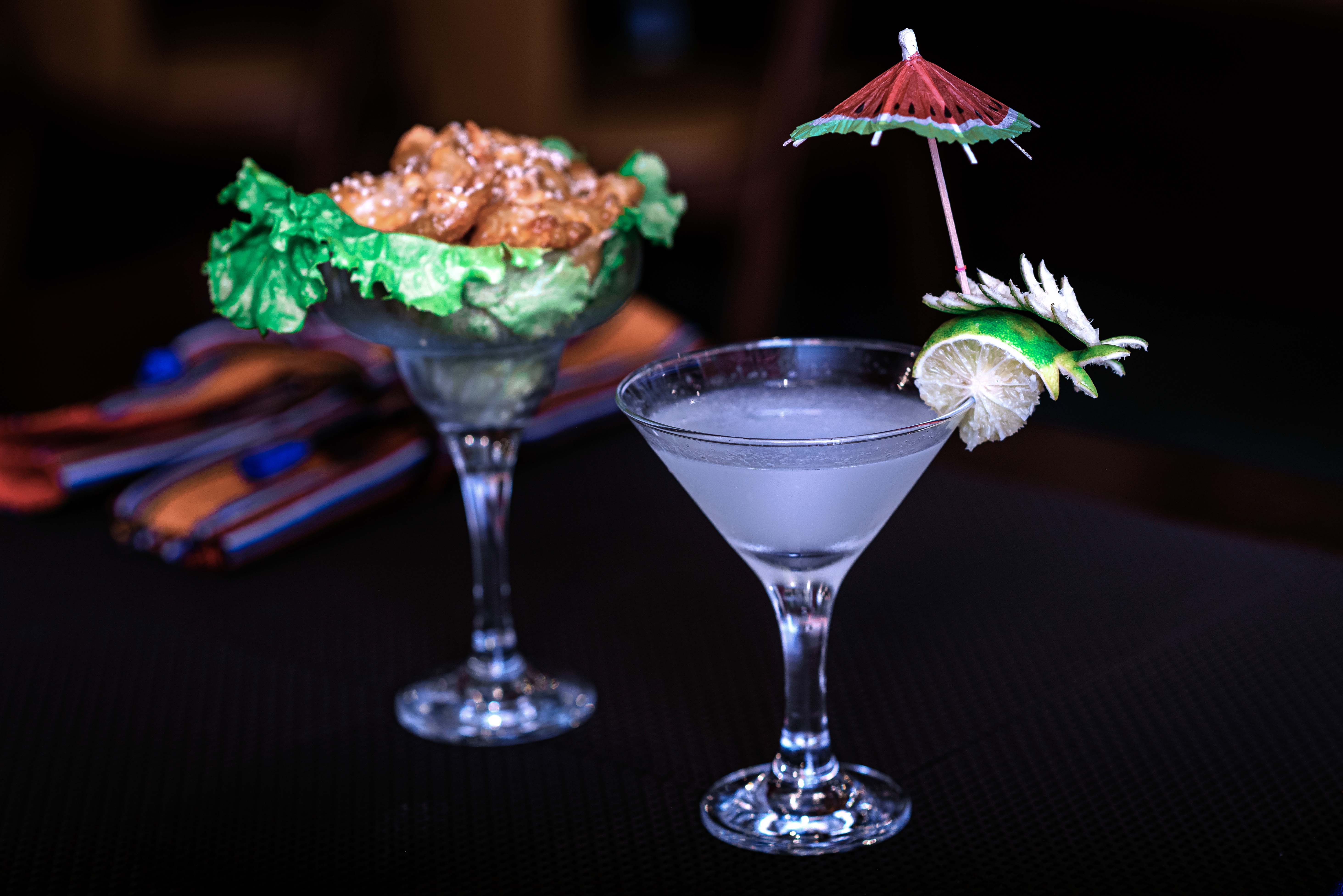
Duetse Kitchen

Duetse Kitchen, the fine dining of Atisha Hotel, is located on the 1st floor of Atisha Hotel and has been the best for serving a curated à la carte menu and lavish buffets.  Here, you will get the best food in the town with the vibe of a blend of traditions, taste, and ambiance. You will have a lavish range of options, and the menu has international tastes and authentic local Tibetan and Nepali food. Anyone roaming around can hop in for lunch, dinner, or any celebration. You will also get the bar menus and Duetse special refresher drinks.

This Duetse Kitchen is not only a restaurant but also a café, where you can find multiple coffees, smoothies, and teas. So, this is also the best for coffee lovers, and whenever they are around or staying at the hotel, they will have something to keep themselves fresh and active.

Duetse Kitchen Menu

Tipsy Yak

Tipsy Yak is a rooftop bar on the 6th floor. The chill air and open sky give you a view of the beautiful Bouddhanath Stupa and its surroundings. This is the perfect spot for a celebration; the view provides an unbeatable, chilling vibe.

You will have multiple options for drinks, including international and local. You will have beer, whiskey, wines, and more. Also, you will get a menu for brunch, appetizers, and salads. You can also order Tacos, Burritos, and Sandwiches.

Tipsy Yak Menu

So, if you are staying at Atisha Hotel, you will surely want to reach the 6th floor and try the drinks in the open sitting area while watching the awesome views.

Other facilities

Room service, an electronic safety locker, and a work desk are provided in every room to promote leisure and productivity. Additionally, you will enjoy laundry services, airport transfers, and relaxing hot showers after a long day.

There are enough parking spaces so you can comfortably park your vehicles and not have to worry much during your stay. You could also use a lift service to reach your floor.

The Atisha Hotel is an excellent option for business and leisure travelers, whether for a short or extended period. You will also have access to additional facilities, including a point-of-sale (POS) system, currency exchange, and personalized assistance with tour packages.

Remember, Atisha always has more in store for you around every bend.

Accommodations you get to choose from at Atisha Hotel    

At Atisha Hotel, your comfort is the top priority. You will have a variety of carefully catered rooms to suit your needs, including the Super Deluxe Room, the Super Deluxe Balcony Room, and the Studio Deluxe, each featuring modern amenities and a touch of elegance.

Whether you’re seeking a cozy space or a room with a view, Atisha Hotel’s offerings cannot be ignored. They provide multiple options to enhance your stay and make you feel luxurious and at home.

Isn’t this great? Look at the rooms, carefully designed to make your stay comfortable.

These rooms strike the perfect balance between comfort and elegance. You will enjoy a comfortable king-sized or twin bed, a private en-suite bathroom with premium amenities, and luxurious bedding in all room types. However, in addition to these amenities, the Super Deluxe Balcony room features a balcony, which adds an extra level of luxury.

If you need a spacious room to work, relax, or stay for an extended period, consider opting for the Studio Deluxe rooms. The name itself sounds enormous, right? You will enjoy all the amenities in other rooms, including a fully furnished contemporary kitchen carefully curated to meet the preferences of longer-staying guests.

Atisha Hotel offers another luxurious and spacious accommodation option, ideal for families, business travelers, or student groups looking to stay longer.

Yes, you heard it right!

Atisha Hotel offers the Senge Apartment, a home away from home with an apartment-like living environment with a spacious terrace, a luxurious family kitchen, two additional bedrooms, a cozy living area, a walk-in closet, and a jacuzzi. Senge Apartment completes the finest deluxe hotel accommodations by fusing the grandeur of a hotel with the comforts of home.

Nearby Access

Atisha Hotel is situated in a central location, from which you can easily attend cultural events, visit heritage sites, and go hiking in nearby areas. Tribhuwan International Airport is nearby, ensuring a hassle-free travel experience for our guests.

Bouddhanath Stupa is the closest one to the Atisha Hotel. This stupa is listed on the UNESCO World Heritage Sites, a sacred and important site for Tibetan Buddhism. It is one of the largest stupas in Nepal. You will see a large, white, dome-shaped structure with a dazzling golden spire at its top. The design of this stupa represents the Buddhist cosmology’s mandala, which symbolizes the cosmos. Trust me, you will be captivated by its beauty and peaceful vibes.

Multiple restaurants are available around the Atisha Hotel, where you can explore and try local and regional foods, including momos, thukpa, laphing, yomari, and more. Tasting the fusion of Tibetan, Newari, and Nepali cuisines in this area is an exceptional experience, and the dishes are genuinely delicious.

Also, multiple hiking spots near the Bouddha area will take your stay at the Atisha Hotel to the next level. The hiking spots nearby Atisha Hotel are Fulbari Gumba, Sundarijal, Dhap Dam, Chisapani, and more. There are other top spots, including Jamacho, Chandragiri, Champadevi, and Nagarkot, where you can go hiking, and Atisha Hotel can assist with managing your hiking schedule.
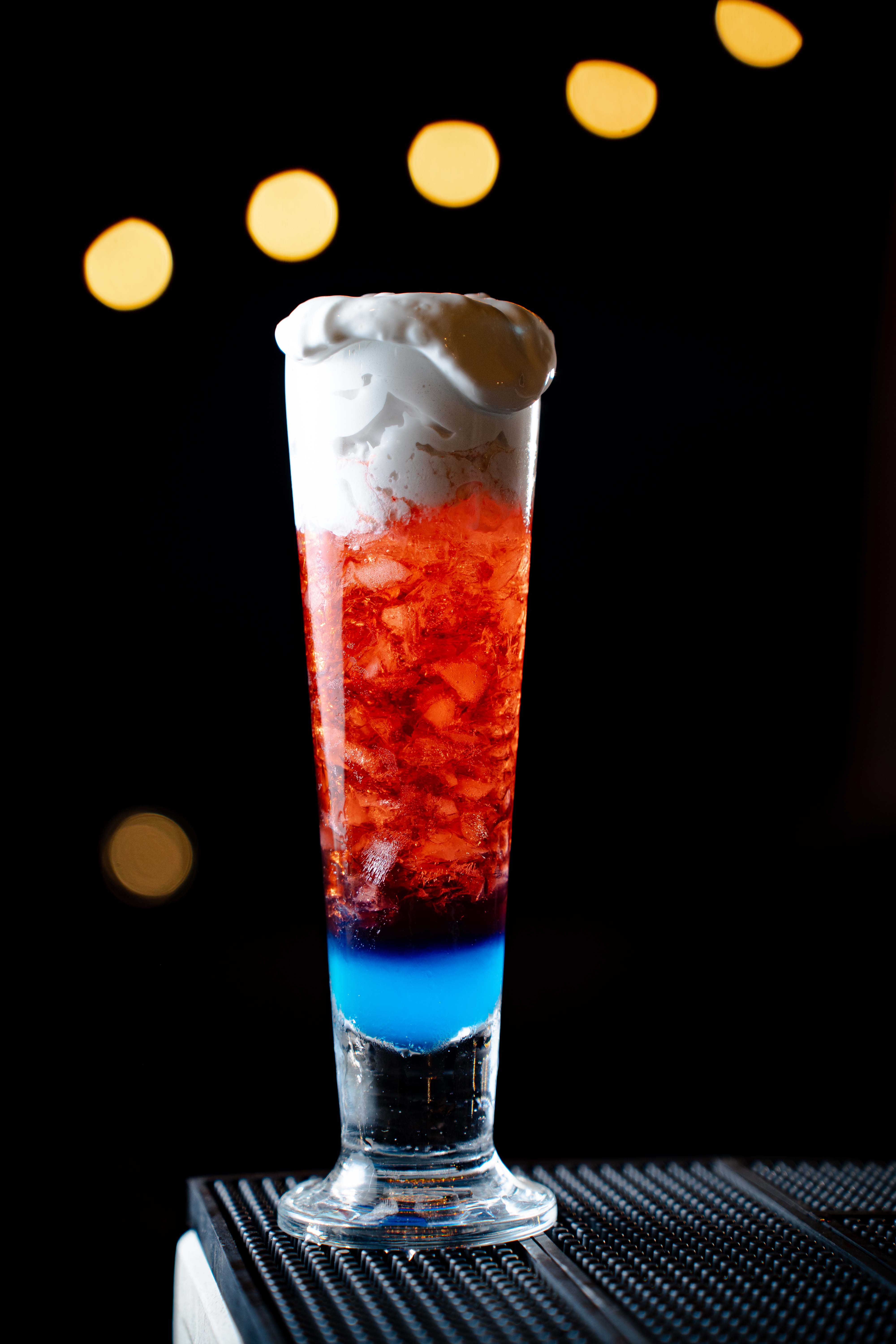
Conclusion:

Traveling for work can sometimes become hectic and stressful, and one wishes to have a place to refresh oneself. In such cases, there is no better option than Atisha Hotel. The entire Hotel is designed to provide a perfect stay for business travelers. Atisha Hotel’s dedication to care and consistency is what sets it apart.
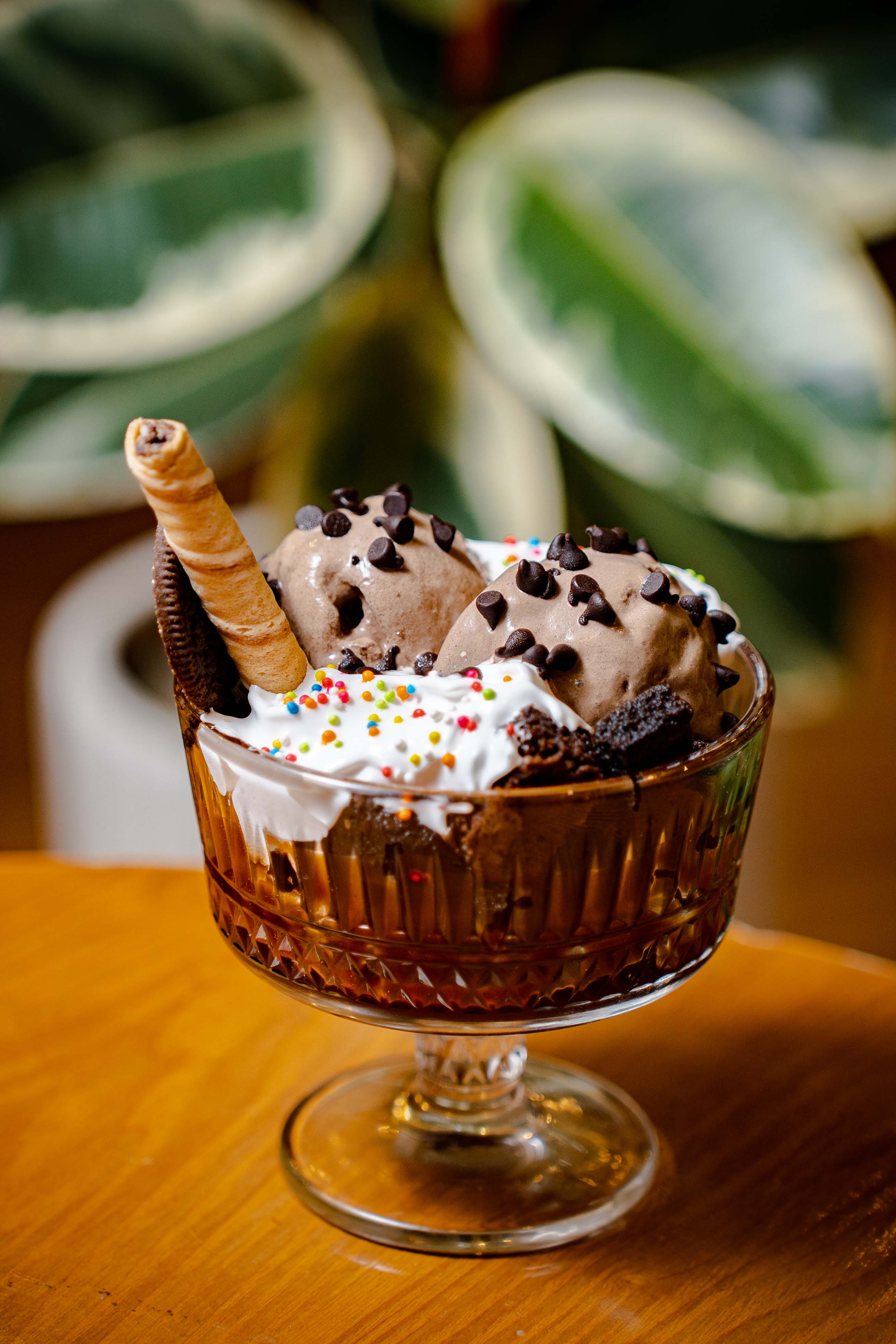
Atisha Hotel provides a sophisticated experience tailored to the requirements of professionals. With top-notch amenities, flawless facilities, and a fantastic environment that helps you relax and focus, the Atisha Hotel is more than simply a place to stay; it’s a partner in your success.

Don’t let your stay be a haphazard choice while organizing your next business trip.

Book your stay at Atisha Hotel, where comfort meets capability.