

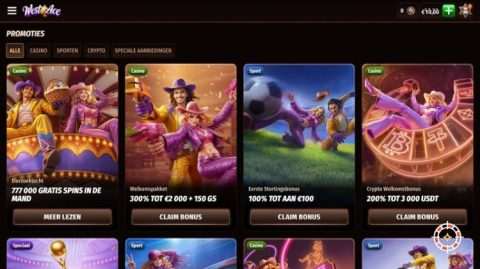
A large lobby can be useful, but thousands of titles do not automatically make game discovery easier. The practical challenge is matching the game type, pace and level of interaction to what you actually want to play, while recognising that availability can change by location and account. The information gathered for www.iamleilajohnson.com/ describes a broad catalogue on Westace, including slots, table games, live dealers, game shows and crash-style titles. This guide focuses on navigating those categories sensibly rather than treating catalogue size as a guarantee of quality or value.
Start with the kind of session you want
Game discovery becomes simpler when you decide what sort of session suits you before opening the lobby. Slots are generally appropriate for players who prefer straightforward controls, frequent visual changes and many themes. Table games are more suitable when you want familiar rules and decisions that are easier to understand. Live dealer games add a streamed table and human presenter, which can create a more social atmosphere but may feel slower than a digital table.
The catalogue described in the available material covers several distinct groups:
- Slots: traditional reels, Megaways formats, free-spin games, respin features and jackpot titles.
- Table games: blackjack, roulette, baccarat and craps.
- Poker and game shows: formats that may involve different rules, pacing or bonus mechanics.
- Live casino: streamed blackjack, roulette, baccarat, poker and game-show tables.
- Instant-win and crash games: short-format games built around quick outcomes and changing decisions.
These categories are not interchangeable. A crash game may be brief but more emotionally intense, while a live table may take longer and require attention to the host and other players. Choosing by session style first helps prevent scrolling through unfamiliar titles simply because they are prominently displayed.
Use game mechanics as a second filter
Once you have selected a category, look at the mechanics rather than relying only on the title or artwork. A slot with free spins may offer a different rhythm from a jackpot game, while a bonus-buy option can change the way rounds are entered. Megaways titles often use changing reel configurations, which may make the game feel more dynamic but can also make its pay structure less immediately familiar.
Useful questions to ask include:

- Does the game use a fixed number of paylines, ways to win or another system?
- Are bonus rounds triggered by symbols, a choice feature, a multiplier or a separate purchase?
- Can the stake be adjusted to a level that suits your planned session?
- Is the game available in a demo mode, and does that mode show the same rules and features?
The source material reports demo play for many slot titles, but a short trial cannot establish long-term results, prove a return percentage or show how often a rare feature appears. It can still be useful for learning controls, identifying bonus symbols and deciding whether the pace is comfortable. Treat it as a familiarisation tool, not as evidence that a game is likely to win.
Compare digital tables with live alternatives
Blackjack, roulette and baccarat may appear in both standard casino and live-dealer sections, yet the experience is different. A digital version usually presents the rules and outcome through software, allowing a faster pace and simpler interface. A live version adds a dealer, video stream and table environment. That can make the session feel more engaging, though it may require more time and a stronger internet connection.
For blackjack, check the table rules before focusing on the design. The number of decks, dealer actions, doubling rules and available side bets can affect the way the game is played. In roulette, identify whether the table is single-zero or another format if that information is shown. Baccarat may look simple, but side bets can introduce additional outcomes that are not essential to the main game.
The listed live categories include blackjack, roulette, baccarat, poker and game-show formats, with studios such as Pragmatic Play Live, Playtech, Stakelogic Live and OnAir Entertainment named in the available coverage. Studio names can help you locate a preferred presentation style, but they do not replace checking the individual table rules. Tables, limits and titles may vary by location, account or current lobby, so confirm the displayed information before committing funds.
Do not treat catalogue size as a quality measure
More titles can mean more choice, but it can also make it harder to distinguish meaningful differences. Several games may share a provider, theme or feature pattern while offering very different volatility and pacing. A long list of games is therefore best treated as a search problem, not a promise that every title will suit every player.
Game-history tools can help you remember what you have already tried and avoid repeatedly opening unsuitable titles. Favourites or category filters, where available, may also reduce browsing time. When comparing two similar games, focus on the rules, feature descriptions, stake range and whether the interface is clear. Avoid selecting a title solely because it appears near the top of a lobby or carries a promotional label.
Independent information is also useful when thinking about gambling outcomes. New Zealand readers can consult official gambling information from the Ministry of Health for broader context about gambling and its potential harms. That guidance does not verify any particular game’s fairness or availability. The available material also says that return-to-player information is not publicly audited and independent random-number-generator testing is not listed, so claims about game quality should be treated cautiously.
Match the format to your attention and boundaries
Game type should fit not only your interests but also the amount of attention you can give the session. A fast slot or crash title can produce frequent decisions, while a live table may encourage longer participation because rounds continue around a dealer and other players. If you are tired, distracted or trying to multitask, postponing the session is often more sensible than choosing a supposedly simple format.
Before selecting a game, decide how long you intend to browse and what amount, if any, you are prepared to lose. Do not increase stakes simply because a bonus feature has not appeared, and do not interpret a recent losing or winning sequence as evidence that the next outcome is due. Demo mode can help with mechanics, but it cannot remove the financial risk of real play.

Account-control information should be checked separately from game descriptions. The available material mentions self-exclusion and a self-assessment tool, but it does not confirm a complete set of deposit, loss, session or reality-check controls. It also says that game availability may differ by location and account. Before using any title, read its displayed rules, confirm the applicable terms and check that the service is suitable under current New Zealand requirements.
Frequently asked questions about game discovery
Are demo games a reliable way to test a slot?
No. Demo play can show the controls, symbols, bonus structure and general pace, but a short session cannot establish expected results or predict future outcomes. Use it to decide whether the mechanics are understandable and enjoyable, then treat real-money play as a separate activity with financial risk.
What is the difference between a live casino and a digital table?
A digital table uses software to display the game and resolve rounds, usually at a quicker pace. A live casino streams a dealer and table environment. The rules can still differ between tables, so check the specific game information rather than assuming every version uses identical conditions.
Why might a listed game not appear in my lobby?
Game availability can depend on location, account status, platform changes and the current lobby. Provider catalogues may also change over time. If a title is absent, check the operator’s displayed categories and current terms instead of assuming it is available through another similarly named website.
Other read
